


A Telford home extension faces demolition concerns after being deemed too high. Learn UK planning rules, risks, and how homeowners can avoid costly mistakes.
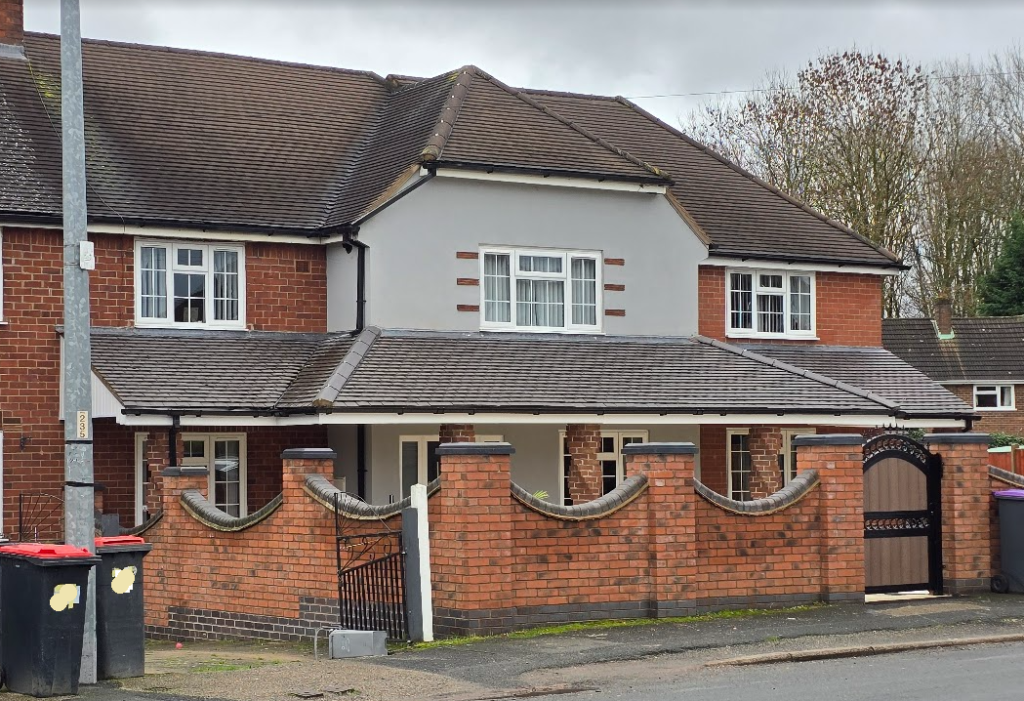
Telford Home Extension Ruled Too High: What Homeowners Need to Know
A residential property in Telford has drawn attention after a home extension was reportedly deemed “too high” by planning authorities, raising the possibility of enforcement action. While situations like this are often handled through formal review processes, the case highlights a wider issue that affects homeowners across the UK: strict planning regulations and the importance of building within approved limits.
This development has sparked discussion around planning compliance, construction standards, and the potential consequences of deviating from approved designs. For anyone considering a home extension, the situation offers a useful reminder of how critical it is to understand and follow local planning rules.
Why the Extension Became a Concern
Planning permission is typically granted based on detailed proposals that outline size, height, and overall design. In this case, the concern appears to center on the extension exceeding acceptable height limits or differing from the approved plan.
Height restrictions are in place to:
- Protect neighbouring properties from being overshadowed
- Maintain privacy between homes
- Preserve the visual character of residential areas
Even small changes during construction—intentional or accidental—can lead to issues if they conflict with approved specifications. Once a complaint is raised or a discrepancy is identified, local authorities may review the structure and determine next steps.
Understanding UK Planning Permission Rules
In the UK, some home improvements fall under permitted development rights, meaning they do not require full planning permission. However, these rights are limited and subject to strict conditions.
Common rules include:
- Single-storey rear extensions generally must not exceed 4 metres in height
- Extensions should not be taller than the existing roof
- Additional restrictions may apply in conservation areas or for listed properties
If a homeowner applies for planning permission and receives approval, they must follow the exact details outlined in that approval. Any variation could require further permission or lead to enforcement action.
What Happens If Rules Are Not Followed?
If a local council determines that a structure does not comply with planning regulations, it may issue an enforcement notice. This typically outlines:
- What rule has been breached
- What changes are required
- A deadline for compliance
Possible outcomes can include:
- Modifying the structure to meet guidelines
- Reducing the height or scale
- Removing part or all of the extension
Homeowners often have the right to appeal such decisions, and many cases are resolved through adjustments rather than drastic measures.
Can Issues Like This Be Resolved Without Demolition?
In many cases, councils aim to find a practical solution before taking more serious steps. Homeowners may be able to:
- Submit a retrospective planning application
- Make design adjustments to meet requirements
- Work with authorities to reach a compromise
However, approval is not guaranteed, particularly if the extension significantly impacts neighbouring properties or clearly violates planning conditions.
Key Lessons for Homeowners
This situation offers several important takeaways for anyone planning to extend their home:
1. Stick to Approved Plans
Always follow the exact specifications outlined in your planning approval.
2. Check Local Regulations
Rules can vary by area, so it’s important to confirm requirements with your local council.
3. Work With Professionals
Experienced architects and builders can help ensure your project stays compliant.
4. Communicate With Neighbours
Open communication can reduce the risk of complaints or disputes.
5. Keep Proper Documentation
Maintain records of approvals, plans, and any changes made during construction.
Impact on Property Value and Future Sales
Planning issues don’t just create legal challenges—they can also affect property value. A structure that does not comply with regulations may:
- Delay or complicate property sales
- Reduce buyer confidence
- Require costly modifications before completion of a sale
On the other hand, a well-designed and fully approved extension can significantly increase both living space and property value.
Why This Matters Beyond One Case
Although this situation is centered in Telford, it reflects a broader trend. As more homeowners invest in expanding their properties, planning disputes have become more common.
With rising housing demand and limited space, extensions are an attractive option. However, this case serves as a reminder that careful planning and full compliance are essential to avoid unnecessary risks.
Final Thoughts
The Telford home extension case highlights the importance of understanding and respecting planning regulations. While home improvements can enhance comfort and value, they must be carried out responsibly and within legal limits.
For homeowners, the key message is simple:
plan carefully, follow approved guidelines, and seek professional advice before and during construction.
- Akshay Kumar Reveals Son Aarav Earns ₹4,500 a Month, Chooses Passion Over Films as Bhooth Bangla Sees Success
- Why Sara Ali Khan and Ibrahim Ali Khan Aren’t as Successful as Their Parents Yet[2026]
- $3B Southland Fertiliser Plant Proposed as Australian Firm Targets Lignite Conversion
- Auckland Airport Delays as Jetstar Halts Check-Ins Over Technical Issue
- NZAC Day Opening Hours 2026: What to Expect from Coles, Woolworths and Kmart