

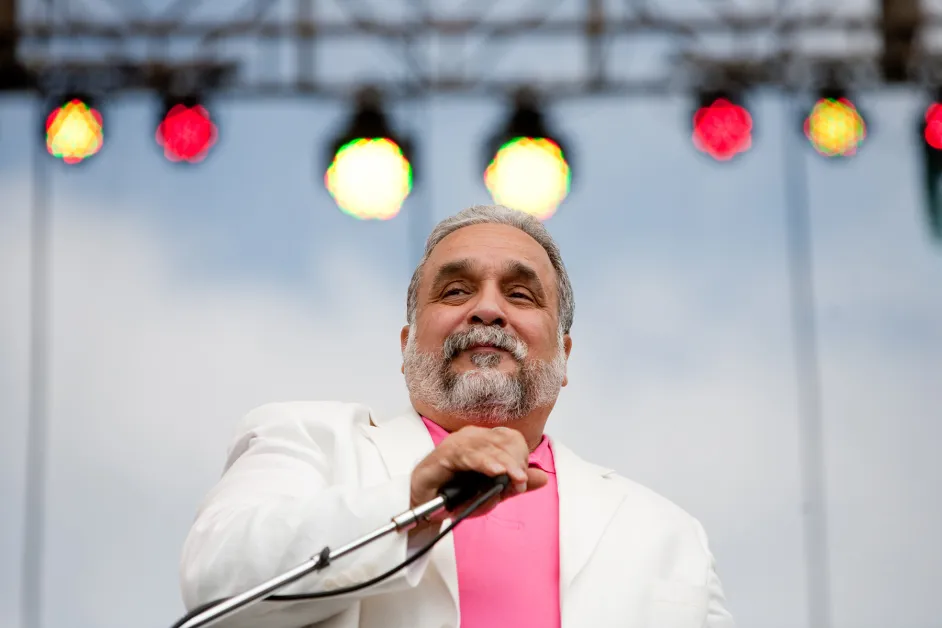
The global Latin music community is mourning the loss of Willie Colón, the iconic trombonist, composer, producer, and cultural pioneer, who passed away in February 2026 at the age of 75. According to family statements, he died peacefully surrounded by loved ones. His passing marks the end of an extraordinary chapter in salsa history — a genre he helped shape, modernize, and take to the world stage.
From the Bronx to Global Fame
Born William Anthony Colón in the South Bronx to Puerto Rican parents, Willie Colón grew up in a neighborhood rich with Caribbean culture and rhythm. That cultural fusion became the foundation of his music. He picked up the trombone at a young age and quickly developed a bold, brassy sound that would later redefine salsa orchestration.
Colón rose to prominence in the late 1960s as part of the legendary New York–based Latin music scene. He became one of the key artists signed to Fania Records, the powerhouse label that helped globalize salsa music. At a time when Latin artists struggled for mainstream recognition, Colón’s raw sound and urban storytelling connected deeply with audiences.
Historic Collaborations That Changed Salsa
One of the defining partnerships of his career was with Puerto Rican singer Héctor Lavoe. Together, they created a string of groundbreaking albums that are still considered classics today. Their music blended street narratives with Afro-Caribbean rhythms, giving salsa a sharper, more contemporary edge.
Later, Colón teamed up with Panamanian singer-songwriter Rubén Blades, releasing the legendary album Siembra. The record became one of the best-selling salsa albums in history and elevated the genre to new artistic heights. Songs from this era tackled themes of identity, migration, social struggle, and Latino pride — proving salsa could be both danceable and deeply meaningful.
He also worked with Cuban icon Celia Cruz, further solidifying his influence across Latin America and the United States.
A Sound That Redefined Salsa
Willie Colón’s signature trombone arrangements gave salsa a heavier, more dramatic tone compared to the traditional trumpet-led orchestras of earlier decades. His musical direction added depth, grit, and power — shaping what became known as the Nuyorican salsa movement.
Beyond performance, Colón was also a producer and arranger with a keen ear for innovation. He understood how to merge traditional Caribbean rhythms with modern urban storytelling. His work influenced generations of artists not just in salsa, but in Latin pop, reggaeton, and world music.
More Than a Musician
Colón’s influence extended beyond music. He was known as a cultural advocate and outspoken voice within Latino communities. Throughout his life, he supported social causes and spoke openly about identity, politics, and representation.
Even in his later years, he remained active in music and public life. His legacy includes decades of recordings, sold-out concerts, awards, and recognition as one of the architects of modern salsa.
Global Reaction to His Passing
Following news of his death, tributes poured in from musicians, fans, and public figures around the world. Social media was flooded with clips of his performances, heartfelt memories, and messages celebrating his contributions.
For many, Willie Colón was more than an artist — he was a symbol of cultural pride and artistic authenticity. His music continues to echo in dance halls, festivals, and homes across continents.
A Lasting Legacy
Few artists manage to define a genre. Willie Colón did exactly that. From the Bronx streets to international stages, he helped transform salsa from a regional style into a global movement.
Though he is no longer with us, his music remains timeless. The trombone riffs, the socially conscious lyrics, and the electrifying rhythms will continue inspiring new generations.
His passing in 2026 closes a monumental era in Latin music — but his legacy lives on in every salsa beat.
Frequently Asked Questions (FAQ)
Q1: When did Willie Colón pass away?
Willie Colón died in February 2026 at the age of 75, according to family confirmations.
Q2: What was Willie Colón famous for?
He was a legendary salsa musician, trombonist, producer, and composer who helped shape the modern salsa movement in New York.
Q3: What is his most famous album?
One of his most iconic works is Siembra, created with Rubén Blades. It remains one of the best-selling salsa albums of all time.
Q4: Who were his most important collaborators?
He worked closely with Héctor Lavoe, Rubén Blades, and Celia Cruz, among many others.
Q5: Why is Willie Colón considered influential?
He transformed salsa’s sound with bold trombone arrangements and socially conscious storytelling, helping the genre gain worldwide popularity.