


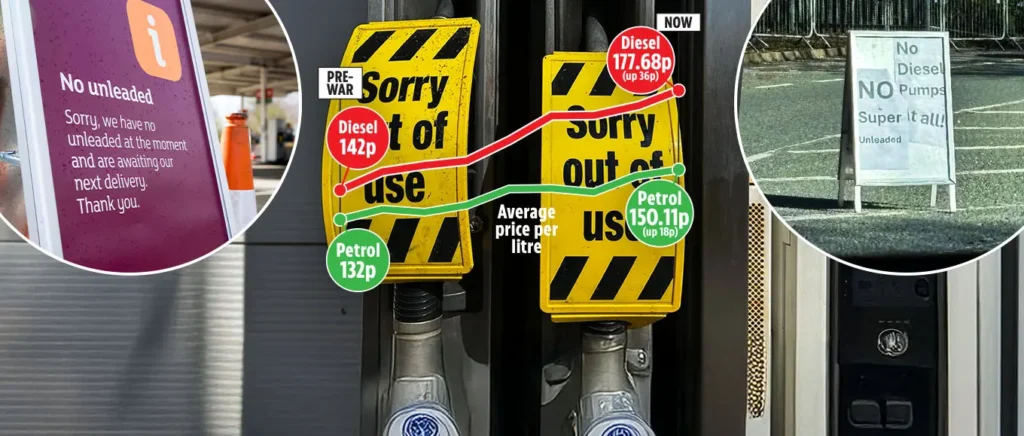
The fuel situation in the UK has reached a critical point this weekend, March 29, 2026, as global tensions continue to impact the energy market. Across the country, “temporary shortages” are being reported at various forecourts as motorists rush to fill their tanks ahead of anticipated further price hikes.
UK Fuel Crisis: Petrol Pumps Face ‘Temporary Shortages’ as Prices Break 150p Milestone
The Current Situation: A Race to the Pumps
Drivers across Britain are facing a “Round the Bend” scenario at petrol stations this weekend. Following the outbreak of conflict in the Middle East earlier this month, wholesale oil costs have surged, leading to a rapid increase in pump prices.
- The 150p Barrier: For the first time in nearly two years, the average price of unleaded petrol has surpassed 150p per litre.
- Diesel Surge: Diesel drivers are facing even steeper climbs, with the average price now approaching 180p per litre.
- Supply “Spikes”: While the government and industry bodies maintain that overall UK fuel supplies are “stable,” major retailers like Asda have confirmed that high demand has led to localized shortages at “the odd pump” while stations wait for fresh deliveries.
Why Are Prices Rising?
The current volatility is driven by a “perfect storm” of geopolitical and economic factors:
- West Asia Conflict: Ongoing military action involving Iran has disrupted key shipping routes, specifically the Strait of Hormuz, which handles about 20% of the world’s oil supply.
- Wholesale Lag: Retailers are currently adjusting prices to reflect the cost of future deliveries, which have spiked due to Brent crude hitting over $100 per barrel.
- Easter Weekend Demand: With the four-day Easter weekend approaching, millions of families are planning road trips, further tightening the balance between supply and demand.
Frequently Asked Questions (F&Q)
- Is there a genuine fuel shortage in the UK? No, there is no national shortage. Industry experts state that fuel is “free-flowing,” but panic buying and high demand are causing temporary outages at individual stations.
- How much has the price of petrol increased recently? Since the end of February 2026, the average price of petrol has jumped by approximately 17p per litre.
- What is the government’s advice? Energy Minister Michael Shanks has urged the public not to panic buy and to maintain their usual refueling habits to avoid putting unnecessary pressure on the system.
- Are fuel duty cuts still in place? Yes, the 5p per litre fuel duty cut has been extended until the end of August 2026 to help cushion the impact of rising global costs.
- Is “price gouging” happening? While some drivers have expressed concern, retailers deny profiteering, citing that their own wholesale costs have risen by nearly 30% in some cases.
- Will prices go down soon? Analysts suggest prices will remain “elevated and volatile” as long as the conflict in the Middle East continues to impact global shipping and production.
- Is diesel more expensive than petrol? Yes, diesel is currently significantly more expensive (averaging near 178p) because the UK relies more heavily on imported refined diesel, which is more vulnerable to supply chain disruptions.
- Can I use a fuel price app to save money? Yes, apps like myRAC or PetrolPrices are recommended to find the most competitive rates, as prices can vary by several pence even between nearby stations.
- Are supermarkets still the cheapest place for fuel? Supermarkets traditionally lead on price, but due to high demand, some have seen more “stock-outs” than independent stations recently.
- How does the exchange rate affect pump prices? Since oil is traded in US Dollars, the current weakness of the Pound against the Dollar makes importing fuel more expensive for UK suppliers.
Final Thoughts
The current “spikiness” at the pumps is a stark reminder of how global events can hit home overnight. While the sight of “Out of Use” signs on pumps can be alarming, the consensus from experts is clear: buying as normal is the best way to stabilize the market. For those planning a journey this Easter, shopping around and using fuel-efficient driving techniques will be key to managing the extra cost of travel this year.