


As the world gathers for the Boao Forum for Asia and the China Development Forum in March 2026, a clear theme has emerged: China’s “New Energy” sector is no longer just a domestic success—it is the primary engine driving global climate goals.
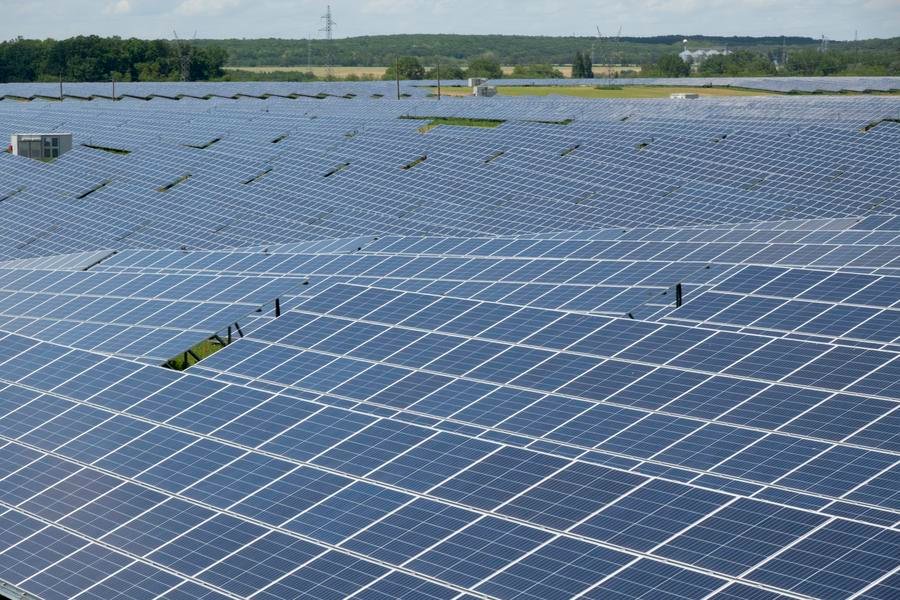
While geopolitical tensions in the Middle East have caused oil and gas prices to spike this month, China’s massive exports of solar, wind, and battery technologies are acting as a vital “clean-energy cushion” for the rest of the world.
1. Driving Down Global Costs: The 80/70 Rule
China’s greatest contribution to the world is affordability. By achieving massive economies of scale, China now produces:
- 80% of the world’s solar PV modules.
- 80% of the world’s lithium-ion battery cells.
- 70% of all Electric Vehicles (EVs) sold globally.
This dominance has caused the price of solar power to drop so significantly that it is now the cheapest form of electricity in history for many developing nations. In the last two years alone, the cost per MWh of battery storage in China has dropped 30% faster than in the rest of the world, making green energy grids a financial reality for the Global South.
2. From “Extractive” to “Integrated” Partnerships
A landmark study released on March 24, 2026, by the International Institute of Green Finance (IIGF) reveals a major shift in how China helps other nations. Between 2022 and 2025, Chinese firms participated in over 500 overseas renewable projects, totaling 133.8 GW of capacity.
Key examples of this “Integrated Solution” model include:
- South Africa: The Oya Energy Hybrid Facility, the world’s largest wind-solar-storage plant, was built by Chinese firms. It uses 15 local contractors and has created 3,000 direct jobs, providing stable power to 320,000 households.
- Vietnam: The Binh Dai offshore wind project is expected to save 38,600 tonnes of coal annually, while training a new generation of local Vietnamese engineers.
3. The “Monster” Solution to Intermittency
One of the biggest hurdles for renewable energy is that the “sun doesn’t always shine.” In March 2026, China unveiled a “monster” energy storage facility in the Ningxia region.
- Scale: Spanning 100 football fields, it can store 21 gigawatt-hours of electricity.
- Global Impact: This technology—long-duration battery arrays—is being exported to help other countries “firm up” their grids, turning variable wind and solar into steady, “always-on” power sources.
4. Stabilizing Global Energy Security
In light of the March 2026 energy crisis triggered by Middle East conflicts, China’s role as a “stabilizer” has been highlighted by experts at Xiamen University. By exporting high-efficiency modules that work even in low-light (perfect for Europe’s distributed solar market), China is helping nations achieve energy localization, reducing their dangerous reliance on imported fossil fuels.
China’s Global Energy Footprint (2026 Snapshot)
| Sector | Global Share | Impact for 2026 |
| Wind Turbines | Top 6 global spots | Dominating utility-scale clean power. |
| Solar PV Exports | 80% of market | Making “Net Zero” affordable for all. |
| Green Hydrogen | Leading Pilot phase | Decarbonizing heavy industries like steel. |
| Energy Storage | ~213GW capacity | Solving the grid stability problem globally. |
FAQ (Frequently Asked Questions)
1. Is the world too dependent on China for green tech?
While some Western nations express concern over “overcapacity,” most climate analysts agree that without China’s scale, the world would fail to meet the Paris Agreement targets. China is currently the only nation capable of “tripling” global renewable capacity by 2030.
2. What is the “New Three” everyone is talking about?
It refers to China’s three major export drivers: Electric Vehicles (EVs), Lithium-ion Batteries, and Solar Products. These have replaced clothing and furniture as China’s primary economic engines.
3. Does China still use coal?
Yes. While China is the world’s leader in renewables, coal still provides about 31% of its power in 2026. However, for the first time, China’s combined wind and solar capacity has officially surpassed thermal power (coal/gas) in early 2026.