


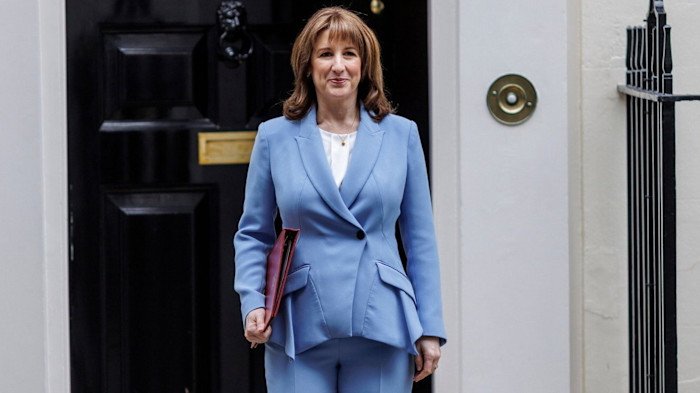
The Chancellor’s Spring Statement on March 3, 2026, was delivered with a message of “Stability over Surprises.” Unlike the dramatic fiscal events of years past, Chancellor Rachel Reeves opted for a steady hand, focusing on long-term growth forecasts rather than immediate tax cuts.
However, beneath the surface of the “quiet” announcement lies a complex web of economic shifts. From the 2.3% inflation forecast to the significant minimum wage hikes coming this April, every household and business in the UK needs to prepare for the new fiscal reality. This guide breaks down the 2026 Spring Statement and provides a roadmap for the upcoming tax year.
1. The Big Picture: OBR Forecasts and the “Stability Rule”
The Office for Budget Responsibility (OBR) released its updated Economic and Fiscal Outlook alongside the Statement. The headline news? Inflation is officially cooling.
- Inflation (CPI): Forecast to fall to 2.3% in 2026, finally nearing the Bank of England’s 2% target.
- GDP Growth: The growth forecast for 2026 was slightly revised down to 1.1% (from 1.4%), reflecting a cautious near-term outlook but predicting a rise to 1.6% by 2027.
- Fiscal Headroom: The Chancellor currently has nearly £24 billion in “fiscal headroom,” the highest in years. This suggests that while there were no big giveaways in March, there is significant room for maneuver in the Autumn Budget later this year.
2. Income Tax and the “Frozen” Years (Fiscal Drag)
Perhaps the most important takeaway for the average earner is what didn’t change. The Chancellor confirmed that Personal Tax Thresholds will remain frozen until at least April 2031.
The Reality of Fiscal Drag
While your tax rate might stay the same, your “take-home” value is being eroded. As wages rise to keep up with 2025’s inflation, more people are being pushed into the Higher Rate (40%) and Additional Rate (45%) bands.
- Personal Allowance: Frozen at £12,570.
- Higher Rate Threshold: Frozen at £50,270.
Action Tip: Review your pension contributions. Increasing your voluntary pension payments can lower your “taxable income,” potentially keeping you below the next tax bracket and reclaiming some of that “frozen” value.
3. The April 2026 Wage Hike: A Double-Edged Sword
Effective April 1, 2026, the UK will see a substantial increase in the National Living Wage.
| Age Group | Current Rate (until Mar 31) | New Rate (from April 1) | % Increase |
| 21 and Over (Living Wage) | £12.21 | £12.71 | 4.1% |
| 18 to 20 | £10.00 | £10.85 | 8.5% |
| Under 18 / Apprentice | £7.55 | £8.00 | 5.9% |
For Workers: This is a welcome boost to help offset the lingering effects of the cost-of-living crisis.
For Employers: This rise, combined with the 15% Employer National Insurance rate (which kicks in on earnings above £5,000), means your “cost-per-head” is rising. Small businesses should ensure they are claiming the Employment Allowance, which has been maintained at £10,500 to shield the smallest firms from these costs.
4. Energy Bills: A Glimmer of Hope
The April 1st Ofgem Price Cap update was confirmed during the Spring Statement period. For the first time in a while, there is good news for the “typical” household.
- The New Cap: £1,641 per year (down from £1,758).
- The Saving: An average saving of £117 per year (roughly 7%) for those on standard variable tariffs paying by Direct Debit.
- Why? Lower global wholesale gas prices and a government decision to move certain “green levies” into general taxation rather than adding them directly to bills.
5. Stealth Changes in Investments and Savings
The Spring Statement also touched on several “under the radar” changes that will hit savvy savers on April 6, 2026.
Dividend Tax & Capital Gains
The tax-free Dividend Allowance remains at a low £500. However, the tax rates on dividends for Basic and Higher rate taxpayers are increasing by 2%.
- Basic Rate: Increasing to 10.75%.
- Higher Rate: Increasing to 35.75%.
The ISA “Cash Limit” Warning
While the total annual ISA allowance remains at £20,000 for the 2026/27 tax year, the government has signaled a future change for April 2027 that will cap the Cash ISA portion for those under 65. If you prefer cash over stocks and shares, 2026 is the year to maximize your cash holdings before future restrictions apply.
6. Property and Inheritance: Preparing for 2027
The Chancellor used the Spring Statement to remind the public of the major Inheritance Tax (IHT) changes coming in April 2027.
- Unused Pension Funds: From 2027, unused pension pots will likely be included in your estate for IHT purposes.
- Gifting Strategy: Wealth managers are advising that 2026 is the “Golden Year” for lifetime gifting. If you intend to pass on wealth, doing so before the new rules take effect could save your beneficiaries thousands.
7. FAQ: Quick Answers to Trending Searches
Q: When is the next UK Budget after the Spring Statement?
A: The Chancellor is expected to deliver a full Autumn Budget in late October or early November 2026.
Q: Did the Spring Statement cut fuel duty?
A: The Chancellor maintained the existing 5p cut and freeze on fuel duty for another year, a move aimed at keeping transport costs stable amid Middle East tensions.
Q: Is the UK in a recession in 2026?
A: No. While growth is modest (1.1%), the OBR has confirmed the UK is technically in a period of “gradual recovery” with falling inflation and rising real wages.
Conclusion: Your 2026 Financial Checklist
To survive and thrive after the 2026 Spring Statement, you should take the following steps before the new tax year begins on April 6:
- Employers: Update your payroll software to reflect the £12.71 Living Wage.
- Savers: Max out your £20,000 ISA allowance before the April 5 deadline.
- High Earners: Calculate your “Fiscal Drag” impact and consider salary sacrifice into a pension to lower your tax bill.
- Homeowners: Check if your energy supplier has automatically applied the new £1,641 price cap rates.
The 2026 Spring Statement may have been quiet, but for those who look closely, it is the starting gun for a year of significant financial re-calibration.