


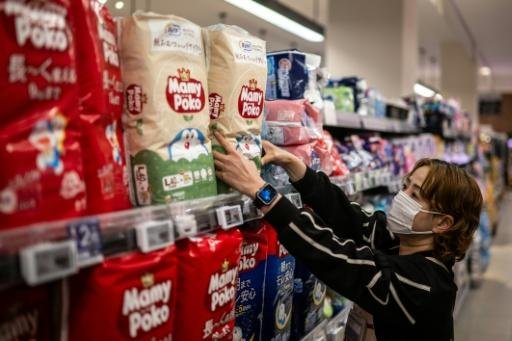
A major recycling breakthrough in Japan has officially turned “dirty diapers” into a sustainable resource. As of March 25, 2026, Japan is leading the world in “horizontal recycling”—the process of turning used diapers back into brand-new ones—as well as converting them into high-tech building materials.
Here is the verified report on how Japan is solving its massive “nappy” waste problem.
Nappy Days: Japan’s “Dirty Diaper” Breakthrough Reuses Waste for New Nappies and Buildings
Article Highlights
- World First: Japanese hygiene giant Unicharm has successfully launched “horizontally recycled” diapers, where used pulp is sterilized and turned back into new diapers.
- Building the Future: Researchers at the University of Kitakyushu have developed a method to replace up to 40% of sand in concrete with processed, shredded diapers.
- The “Aging” Crisis: Japan now produces more adult diapers (9.6 billion) than baby diapers (8 billion) annually, making recycling a national necessity.
- Zero Waste Towns: Southern towns like Shibushi and Osaki have extended their landfill life by 40 years by mandating diaper recycling.
- Ozone Power: A high-tech ozone treatment is used to ensure recycled diapers are 100% sterile, odorless, and as white as new products.
How Japan Reuses Dirty Diapers
Japan’s approach is split into two innovative streams: Personal Care and Construction.
1. The “Horizontal” Recycling (Diaper to Diaper)
Spearheaded by Unicharm, this process breaks down soiled diapers into three parts: Pulp, Plastic, and Super-Absorbent Polymer (SAP).
- The extracted pulp undergoes a specialized ozone sterilization and bleaching process.
- The resulting material is indistinguishable from fresh wood pulp.
- These products are currently sold under the “RefF” (Recycle for the Future) brand in Kyushu and are used in several elderly care facilities.
2. Construction & Building Materials
In a separate breakthrough, Japanese engineers found that diapers are surprisingly effective in construction.
- Concrete Mix: Processed diaper waste can replace a significant portion of sand in concrete without losing structural integrity.
- Walls & Panels: Companies like Total Care System are turning diaper pulp into interior and exterior wall panels.
- Benefits: This reduces the need for destructive sand mining and provides a domestic alternative to imported softwood pulp.
FAQ (Frequently Asked Questions)
1. Are recycled diapers hygienic?
Yes. They undergo rigorous ozone treatment which kills all bacteria (including E. coli) and removes all odors and stains. Experts have cleared them as 100% safe for skin contact.
2. Why is Japan doing this now?
Japan’s population is aging rapidly. Adult diaper waste is expected to hit 2.6 million tons by 2030. Incinerating these “wet” diapers is energy-inefficient and releases high CO2.
3. Do they look different?
No. Thanks to the bleaching process, the recycled pulp is pure white. Users in pilot programs reported they feel exactly like regular diapers.
4. Where can I buy them?
Currently, they are on sale in Kyushu, Japan, and are being distributed to childcare and senior care centers. They cost about 10% more than regular diapers due to the recycling technology involved.
5. Can they be used for houses?
Yes. A prototype house was recently built using concrete made with 8-27% diaper waste. It is just as strong as a standard home but much cheaper to build.
6. What happens to the “waste” inside the diaper?
The human waste is separated during the washing phase and treated through standard sewage and water-solubilization systems.
Final Thoughts
Japan’s “Nappy Days” initiative is more than just a quirky science project; it is a blueprint for an aging planet. By transforming one of the most difficult-to-recycle products into both hygiene items and building materials, Japan is proving that “waste” is simply a resource in the wrong place. As the world faces a sand shortage and mounting landfill issues, this “hot mess” breakthrough might just be the solution we’ve been waiting for.