


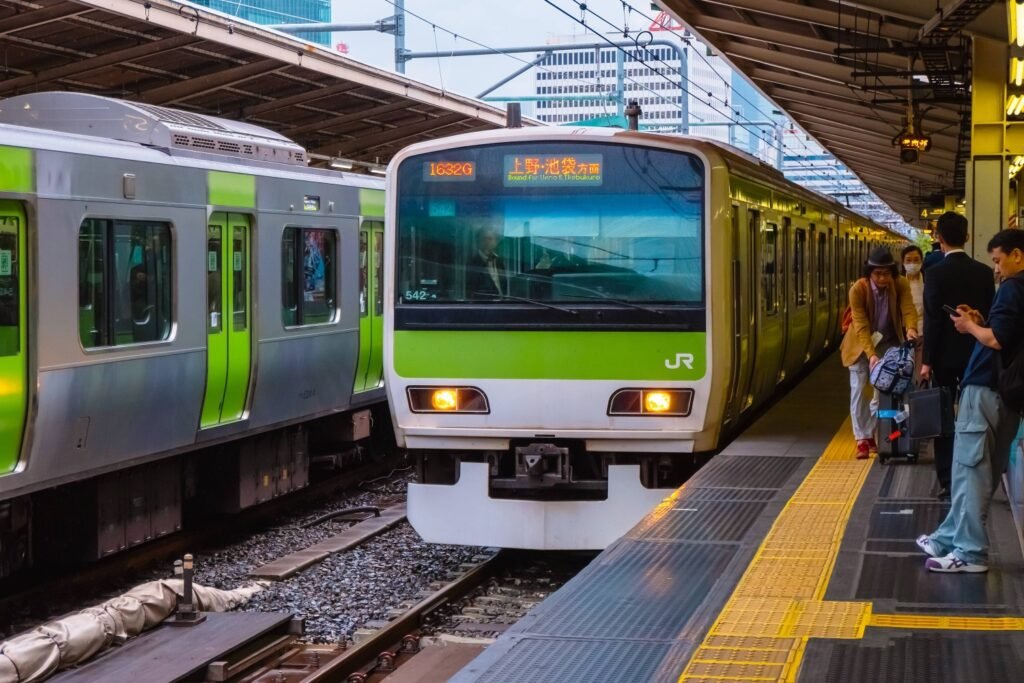
What’s Happening?
East Japan Railway Company — commonly known as JR East — will raise train fares across its network starting Friday, March 14, 2026. This change marks the company’s first broad fare revision since its privatization in 1987, not counting past tax‑related adjustments.
The average fare increase is 7.1%, affecting:
- regular ticket prices
- commuter passes
- school student passes
For example, the minimum base fare for a short trip will rise from ¥150 to ¥160 — a ¥10 increase.
📍 Why the Fare Increase Now?
JR East says the hike is needed to address several long‑term challenges:
- Rising operational costs – maintenance, energy, and labor expenses have grown over the past decade.
- Aging infrastructure – safety systems, tracks, platforms, and rolling stock require renewal to ensure passenger safety.
- Population and ridership changes – the number of daily passengers in some rural areas remains below pre‑pandemic levels due to remote work trends.
The additional revenue — estimated at around ¥88.1 billion (approx $600 million) per year — will help fund maintenance, safety upgrades, and disaster‑resilient infrastructure.
JR East executives have emphasized that this fare revision is a necessary step to maintain high standards of service reliability and safety.
📊 What Will Change?
Here’s what commuters and travelers should expect:
🚉 Regular Tickets
- Average increase: ~7.1%
- Minimum base fare: ¥150 → ¥160
- Larger hikes on busier routes (e.g., Yamanote Line)
- A Tokyo–Shibuya ticket may rise by ~23.8% (¥210 → ¥260) in some cases.
🚇 Commuter Passes
- Commuter passes will increase by up to 12%.
🎓 Student Passes
- Student commuter passes will rise by about 4.9% on average.
📍 Fare Structure Changes
- Some historically discounted fare zones in the Tokyo metropolitan area — including within the Yamanote Line — will be merged into the standard distance‑based system.
🚅 What This Means for Commuters
🧑💼 Daily Riders
If your monthly commuter pass cost ¥20,000 previously, the fare hike could add roughly ¥1,400 more per month under the 7.1% average increase.
⏱ Budgeting Advice
Commuters can reduce impact by:
- renewing passes early (before the hike takes effect)
- using IC card systems (like Suica), which often offer slightly lower rates
- checking company commuter subsidy policies
🚉 Why This Fare Hike Matters
Japan’s rail system — especially JR East’s network — is one of the busiest and most technologically advanced in the world. It serves tens of millions of passengers every year in the densely populated Greater Tokyo area and surrounding regions.
This is the first major fare increase outside of government‑mandated tax changes in nearly 40 years, which underscores the unprecedented cost pressures on transportation services in Japan.
📈 Broader Context
Similar increases are happening across other regional rail operators in Japan due to inflation and labor constraints, including:
- planned increases by JR Hokkaido and JR Kyushu in recent years.
This reflects an industry‑wide trend of rising costs that can no longer be absorbed without raising fares.
🔥 20 Frequently Asked Questions (FAQs)
1. When will the JR East fare increase take effect?
The fare hike starts on Friday, March 14, 2026.
2. How much is the average fare increase?
About 7.1% on average across regular fares.
3. Is this the first fare hike in a long time?
Yes — the first major revision since the privatization in 1987 (excluding tax‑related adjustments).
4. What will the minimum base fare become?
It will increase from ¥150 to ¥160.
5. Why is JR East raising fares now?
To cope with rising operational costs, labor shortages, and infrastructure renewal.
6. Are commuter pass prices increasing too?
Yes — by about 12% on average.
7. What about student passes?
They will increase around 4.9%.
8. Will express or Shinkansen fares change?
No major change announced for express or Shinkansen services as part of this hike.
9. Will discounted zones still exist?
Many special discounted zones, especially within the Tokyo area, will be abolished and integrated into standardized pricing.
10. How much revenue is JR East expected to generate from this?
Approximately ¥88.1 billion annually.
11. Does this affect all JR East lines?
Yes — the increase applies across the entire JR East network.
12. Will IC card fares increase the same as ticket fares?
IC card fares usually rise slightly less in absolute yen terms, but the percentage increase remains similar.
13. Can commuters avoid the impact?
Using IC cards or reviewing subsidy plans with employers can help reduce costs.
14. Is tourist train fare affected?
Standard JR East tourist fare zones will follow the same average price rise.
15. Will JR East improve services with this extra money?
JR East plans to invest in maintenance, safety and resilience improvements.
16. Why hasn’t there been a fare increase for so long?
JR East previously absorbed costs or relied on tax‑linked adjustments; today’s pressures are larger than before.
17. Could ridership decline because of this?
Some may travel less often; however, commuter demand tends to be relatively inelastic.
18. Are other JR companies also raising fares?
Yes — other regional JR companies have announced fare increases in recent years.
19. Will smaller rural lines be protected?
Some rural fares and passes may have different price structures but will still increase moderately.
20. Where can I find the latest JR East fare information?
Official updates are posted on JR East’s website and through Ministry of Land, Infrastructure, Transport & Tourism announcements.
Final Thoughts
The JR East fare hike of 7.1% marks a historic shift, the first major increase in nearly 40 years. While it may slightly impact daily commuters and students, the rise is essential to maintain safety, modernize infrastructure, and ensure reliable service. By planning ahead, using commuter passes or IC cards, and budgeting smartly, passengers can manage the impact. Overall, this move strengthens Japan’s world-class railway system for the long term.