


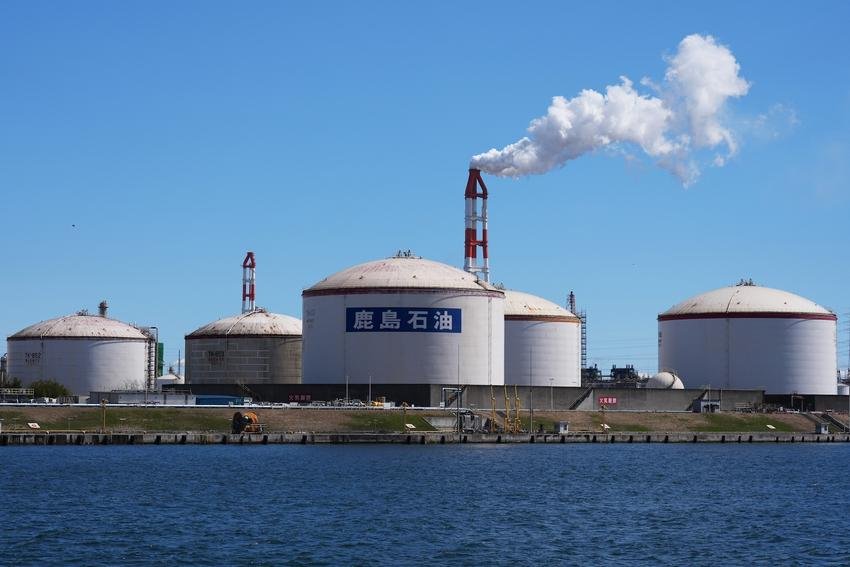
Japan has begun releasing oil from its strategic petroleum reserves to stabilize energy supplies and control rising fuel prices amid escalating tensions in the Middle East. The decision comes after supply disruptions linked to the conflict involving Iran and the effective closure of the Strait of Hormuz, one of the world’s most important oil shipping routes.
The move highlights the seriousness of the global energy situation, as many countries rely heavily on Middle Eastern oil shipments passing through this narrow waterway.
Why Japan Is Releasing Oil Reserves
Japan’s government announced the emergency measure after oil prices surged due to the ongoing conflict and threats to shipping routes in the Gulf region. The Strait of Hormuz normally handles around one-fifth of the world’s oil supply, making disruptions there extremely significant for global energy markets.
Japan is particularly vulnerable because it imports about 90–95% of its crude oil from the Middle East, much of it transported through the same strait.
To reduce the risk of shortages and prevent sharp price increases domestically, the government decided to release part of its emergency oil stockpiles.
How Much Oil Japan Plans to Release
Officials said Japan intends to release around 80 million barrels of oil from its reserves, making it one of the largest emergency releases in the country’s history.
The plan includes:
- 15 days of oil from private-sector reserves
- About one month of supply from government stockpiles
These reserves are part of Japan’s strategic petroleum storage system designed to protect the country during major supply disruptions.
Coordination With International Energy Agencies
Japan’s move is also connected to a broader international response. The International Energy Agency (IEA) has approved the release of about 400 million barrels of oil globally from strategic reserves to stabilize markets.
Several major economies, including European countries, are expected to participate in this coordinated effort.
The goal is to prevent extreme price spikes and ensure that global markets continue receiving sufficient energy supplies during the crisis.
Japan’s Strategic Oil Reserves
Japan maintains one of the largest strategic oil reserves in the world, holding more than 400 million barrels of crude and petroleum products.
These emergency reserves can cover roughly 254 days of domestic consumption, providing a critical buffer in times of global supply disruptions.
The reserve system was created after the 1970s oil crisis, when energy shortages exposed Japan’s heavy dependence on imported oil.
Impact on Global Oil Prices
Oil prices have already surged above $100 per barrel in recent days due to uncertainty about Middle Eastern supply routes.
Analysts believe the release of reserves may:
- Reduce immediate supply shortages
- Stabilize energy markets
- Prevent further price spikes
However, experts warn that the move is only a temporary solution. Long-term stability will depend on whether shipping routes through the Strait of Hormuz reopen and geopolitical tensions ease.
Why the Strait of Hormuz Is So Important
The Strait of Hormuz is one of the world’s most crucial oil transport chokepoints. Large quantities of crude oil from countries such as Saudi Arabia, Iraq, Kuwait, and the United Arab Emirates pass through this route.
If the strait remains blocked or restricted, global oil supply could face major disruptions.
Because of this risk, energy-importing countries like Japan, South Korea, and many European nations are closely monitoring developments in the region.
Possible Economic Effects
The energy crisis could affect several sectors globally, including:
- Fuel and transportation costs
- Airline ticket prices
- Manufacturing and logistics
- Electricity and heating costs
For Japan, which relies heavily on imported energy, the government is trying to ensure domestic fuel prices remain stable and prevent shortages for industries and households.
FAQ
Why is Japan releasing oil reserves?
Japan is releasing oil to stabilize supply and reduce price spikes caused by disruptions to global oil shipments during the Middle East crisis.
How much oil will Japan release?
The government plans to release around 80 million barrels from its strategic reserves.
What caused the energy crisis?
The crisis was triggered by conflict in the Middle East and disruptions to oil shipments through the Strait of Hormuz.
Is this part of a global effort?
Yes. The International Energy Agency and several countries are coordinating a large global release of emergency oil reserves.
Does Japan rely heavily on imported oil?
Yes. Japan imports about 90–95% of its oil, mostly from the Middle East.
Conclusion
Japan’s decision to release oil from its strategic reserves reflects the growing concern about global energy security amid rising geopolitical tensions. By tapping into its emergency stockpiles, Tokyo hopes to stabilize domestic fuel supplies and help ease pressure on global oil markets.
However, the situation remains uncertain. If the conflict in the Middle East continues and shipping routes remain disrupted, energy markets could face further volatility in the coming weeks.