


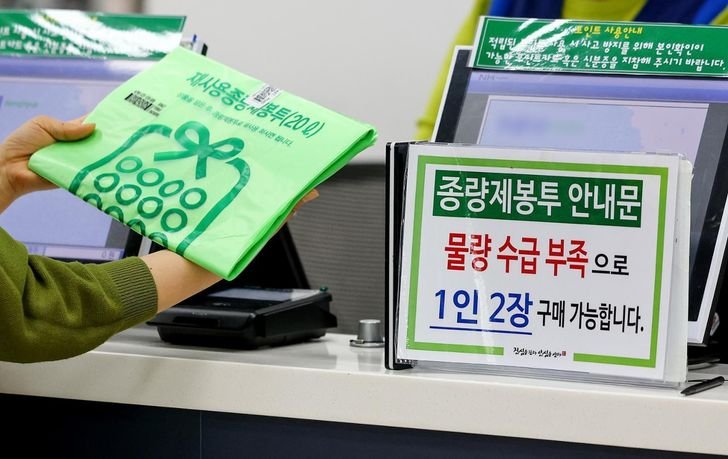
The “Naphtha” Crisis: Why Trash Bags Are Vanishing from Shelves Across South Korea
A sudden wave of panic buying has gripped major retail markets this week, with trash bag sales skyrocketing by over 200%. As of March 26, 2026, residents in several major cities have reported empty shelves and strict purchase limits on standard 10-liter and 20-liter household waste bags.
1. The Cause: The “Strait of Hormuz” Blockade
The shortage isn’t due to a lack of manufacturing capacity, but rather a lack of raw materials.
- The Key Ingredient: Most plastic products, including trash bags and food packaging, are made from naphtha (a crude oil derivative).
- The Conflict: Ongoing tensions in the Middle East have led to a blockade of the Strait of Hormuz. Since more than 50% of some countries’ naphtha imports pass through this chokepoint, the supply has been severely choked.
- Factory Shutdowns: Major petrochemical giants, including LG Chem, have already announced temporary shutdowns of their naphtha cracking centers due to the inability to secure feedstock.
2. The Panic Buying Stats (March 24–26, 2026)
Retail data from major convenience chains like CU and GS25 highlights the severity of the consumer reaction:
- Standard Trash Bags: Sales jumped 216.4% compared to the previous week.
- Food Waste Bags: Sales increased by 153.3%.
- Purchase Limits: Many supermarkets have implemented a “2 packs per person” limit to prevent hoarding.
3. Global Context: Should India and the West Be Worried?
While the most visible shortages are currently in East Asia, the “Naphtha Shock” is a global phenomenon.
- In India: In cities like Hyderabad, while there is no immediate local shortage, the rising cost of imported crude and naphtha is expected to push up the price of all plastic-based consumables (garbage bags, food containers, and delivery packaging) by 15-20% by mid-April.
- In the US/UK: Shipping costs for plastic goods are already rising following the USPS 8% price hike (announced March 25), compounding the pressure on retail prices.
Quick Facts: The Plastic Shortage
| Feature | Details |
| Primary Reason | Naphtha supply disruption (Middle East conflict) |
| Price Surge | Polyethylene prices up 200,000 won (~$135) per ton in March |
| Retail Impact | 10L and 20L bags nearly sold out in major metros |
| Gov’t Response | Emergency inventory releases (3-month reserves) |
FAQ: Frequently Asked Questions
1. Is there an actual shortage or is it just panic?
It is a mix of both. While there is a genuine disruption in the raw material supply chain, governments insist they have 3 months of inventory in reserve. The current “sold out” status in stores is largely caused by consumers buying a year’s worth of bags in a single day.
2. Will other plastic items be affected?
Yes. Naphtha is used for plastic cups, straws, food containers, and even medical supplies. Wholesalers have already begun limiting the supply of plastic cups to cafes and restaurants.
3. When will the supply return to normal?
This depends entirely on the geopolitical situation in the Middle East. Analysts warn that if the Hormuz blockade continues past April, permanent price hikes for all plastic goods are likely.