


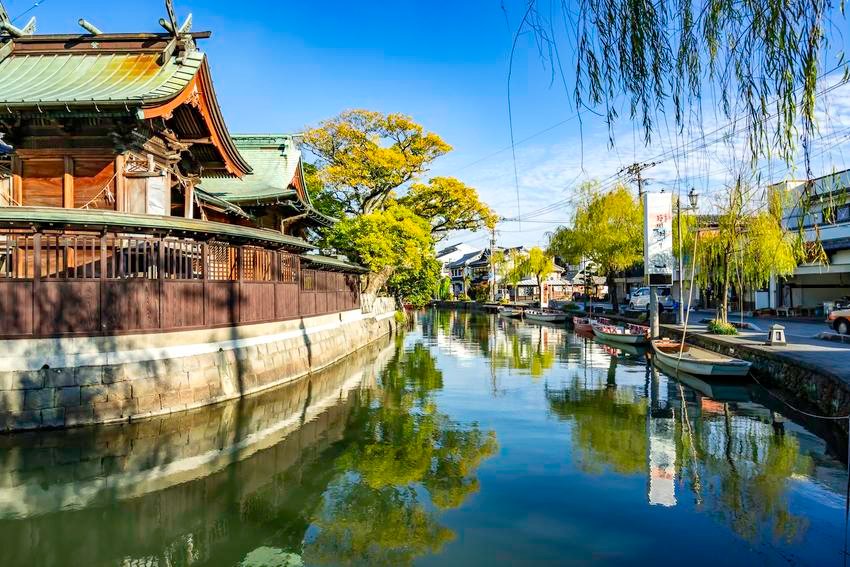
Fukuoka Prefecture, located on Japan’s southern island of Kyushu, is often known for its vibrant city life, famous ramen, and busy port. However, beyond the urban attractions lies a peaceful countryside filled with traditional villages, tea farms, scenic mountains, and historic shrines. Travelers who venture outside the city discover a different side of Japan—one defined by slow living, natural beauty, and rich cultural heritage.
Rural Fukuoka offers visitors a chance to experience authentic Japanese life through farm stays, local crafts, agricultural landscapes, and quiet nature parks. From the fertile plains of Chikugo to mountain villages in Yame, the region is ideal for travelers seeking relaxation and cultural immersion.
The Countryside Lifestyle of Fukuoka
The rural areas of Fukuoka are deeply connected to agriculture and traditional communities. Visitors can stay with local farmers, participate in farming activities, and enjoy regional dishes prepared with fresh ingredients.
Farm-stay experiences allow travelers to work in fields, harvest seasonal produce, cook traditional meals, and interact with local residents, offering an authentic glimpse into Japanese rural life.
These experiences also include activities such as:
- Traditional craft making
- River swimming and nature walks
- Stargazing in quiet countryside environments
Such programs help visitors understand Japan’s agricultural traditions and community lifestyle.
Beautiful Natural Parks and Landscapes
Fukuoka Prefecture is home to several scenic natural parks where visitors can explore forests, rivers, and mountains.
Chikugo River Region
The Chikugo River flows through fertile plains known for rice farming and fruit production. The surrounding Chikugogawa Prefectural Natural Park covers a wide area and includes valleys, mountains, and scenic riversides.
The region is famous for:
- Seasonal fruit orchards
- Cycling routes through rural landscapes
- Riverside hiking trails
Travelers often visit local farms for strawberry picking or grape harvesting during harvest seasons.
Chikuhō Natural Park
Another notable natural area is Chikuhō Prefectural Natural Park, established in 1950 and covering multiple municipalities in northern Fukuoka.
The park features:
- Forested hills
- Rural villages
- Historic coal-mining landscapes
Today the area combines natural beauty with cultural heritage, making it ideal for hiking and countryside exploration.
Yabegawa Nature Area
The Yabegawa Prefectural Natural Park stretches across the southern part of the prefecture, including Yame and Miyama.
This region is known for:
- Clear rivers and waterfalls
- Traditional tea plantations
- Quiet mountain villages
Visitors can experience scenic walks and learn about local tea production, which is a major industry in the area.
Traditional Villages and Cultural Experiences
Yame – Home of Famous Japanese Tea
Yame is one of the most famous tea-producing regions in Japan. The area produces Yame Gyokuro, considered one of the highest quality green teas in the country.
The countryside here features:
- Terraced tea fields
- Old merchant houses
- Traditional craft workshops
Visitors can take part in tea-tasting sessions and learn how premium tea is cultivated.
Tanushimaru – Fruit Farming and Rural Legends
The former town of Tanushimaru, now part of Kurume City, is known for its grape farms, hot springs, and local folklore.
The region offers:
- Grape picking experiences
- Rural hot springs (onsen)
- Shrines dedicated to the mythical kappa river creature
Agricultural tourism is popular here, especially during harvest seasons when visitors can taste fresh fruit directly from farms.
Oki and Hirokawa – Eco-Friendly Rural Towns
Small towns such as Oki and Hirokawa showcase the slower rhythms of rural life.
Oki is known for its wetlands, canals, and organic farming, while Hirokawa features traditional Kurume Kasuri textile workshops where visitors can try indigo dyeing and other crafts.
These towns highlight the strong connection between agriculture, crafts, and local culture.
Historic Shrines and Cultural Heritage
Rural Fukuoka also preserves centuries-old religious and historical sites.
One example is Mizuta Tenmangū, a Shinto shrine founded in 1226 dedicated to the scholar deity Sugawara no Michizane.
The shrine complex contains historic buildings and stone gates recognized as cultural properties in Fukuoka Prefecture.
Many rural shrines host seasonal festivals where locals celebrate traditions that have existed for hundreds of years.
Scenic Train Journeys Through the Countryside
One of the most unique ways to explore rural Fukuoka is by taking the Coto Coto Train.
This sightseeing train travels slowly through the Chikuhō region, allowing passengers to enjoy countryside views while tasting meals made from local ingredients.
The train’s wooden interior and relaxed atmosphere reflect the concept of “relaxation, delicious food, and fun.”
Local Food and Farm-Fresh Cuisine
The countryside of Fukuoka is famous for fresh agricultural products and regional dishes.
Some popular local specialties include:
- Fresh strawberries from the Chikugo region
- Yame green tea
- Munakata beef
- Seasonal fruits such as persimmons and grapes
Visitors staying in farmhouses often enjoy meals prepared with ingredients harvested directly from nearby fields.
Why Rural Fukuoka Is Worth Visiting
While major cities like Tokyo and Osaka attract millions of tourists every year, rural Fukuoka offers a quieter and more authentic experience.
Travelers can enjoy:
- Peaceful countryside landscapes
- Cultural traditions preserved for centuries
- Hands-on agricultural experiences
- Scenic mountains and rivers
The region also remains relatively less crowded compared to other parts of Japan, making it ideal for those seeking relaxation and cultural immersion.
FAQ
Where is Fukuoka Prefecture located?
Fukuoka Prefecture is located on the northern coast of Kyushu Island in Japan.
What is rural Fukuoka known for?
Rural Fukuoka is famous for tea plantations, fruit farming, historic shrines, and scenic countryside landscapes.
Can tourists stay in farmhouses in Fukuoka?
Yes. Many villages offer farm-stay programs where visitors can participate in farming and experience local culture.
What is the most famous agricultural product from Fukuoka?
Yame Gyokuro green tea is one of the most famous high-quality teas produced in the region.
Is rural Fukuoka good for nature tourism?
Yes. The prefecture has several natural parks, rivers, mountains, and scenic countryside ideal for hiking and sightseeing.
Conclusion
Fukuoka Prefecture offers far more than urban attractions. Its rural regions reveal a peaceful and culturally rich side of Japan, where traditional villages, tea farms, and scenic landscapes create unforgettable travel experiences.
From farm stays and historic shrines to nature parks and local cuisine, exploring rural Fukuoka allows visitors to connect with Japan’s heritage and natural beauty in a way that large cities cannot offer.
For travelers looking to experience authentic Japanese countryside life, Fukuoka’s rural charm is truly worth discovering.