


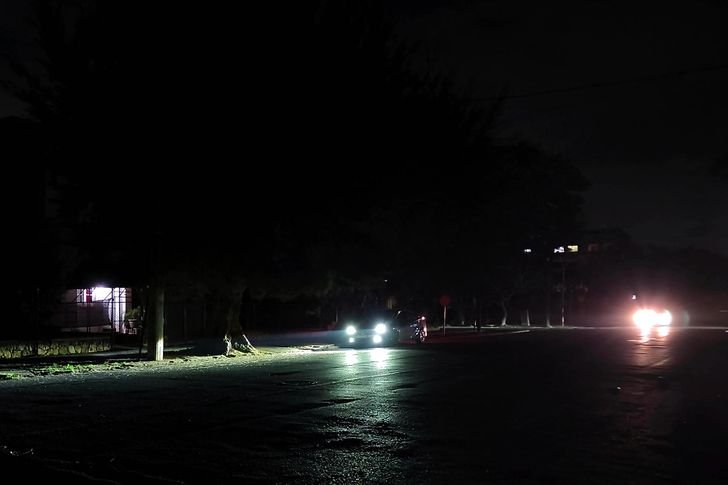
Cuba has been plunged into a nationwide blackout after the country’s national electric grid collapsed, leaving millions of residents without electricity across the island. The outage has affected nearly the entire population of about 11 million people, marking one of the most serious power crises in recent years.
Authorities confirmed that the failure of the national electricity system triggered a complete disconnection of the power grid, forcing homes, businesses, hospitals, and public services to operate without power. The blackout highlights the deepening energy and economic crisis currently affecting the Caribbean nation.
What Happened: Nationwide Power Grid Failure
Cuba’s Ministry of Energy and Mines reported that the country’s electrical system suffered a total collapse, causing electricity to shut down across the island.
Officials described the incident as a “complete disconnection” of the national grid, which instantly cut power to millions of people.
The blackout began after major problems in the country’s aging energy infrastructure and severe fuel shortages forced electricity generation to stop. As a result, cities including Havana, Santiago de Cuba, and other major regions were left in darkness.
How Many People Are Affected
The outage has impacted almost the entire population of Cuba, estimated at around 11 million residents.
Residents across the island reported:
- No electricity in homes and businesses
- Traffic lights shutting down
- Internet and mobile network disruptions
- Public transportation interruptions
Hospitals and essential services are relying on backup generators, but officials warn that prolonged outages could strain emergency services.
Fuel Shortages Behind the Crisis
One of the key reasons behind the blackout is Cuba’s severe fuel shortage.
The country relies heavily on imported oil to run its power plants. However, Cuba has not received significant oil shipments for several months, worsening the energy crisis.
Without enough fuel to operate generators, the electricity system has struggled to meet national demand.
Energy experts say the situation has exposed the fragility of Cuba’s aging power infrastructure, which has faced repeated failures in recent years.
Political and Economic Factors
Cuban officials say the crisis has been intensified by international political tensions and sanctions affecting fuel imports.
The government stated that restrictions on oil shipments have severely limited the country’s ability to generate electricity, forcing authorities to implement emergency measures.
At the same time, Cuba is dealing with a broader economic crisis marked by:
- Inflation
- Shortages of food and medicine
- Declining industrial production
These issues have increased pressure on the government to stabilize the power system.
Growing Public Frustration
Frequent power outages have already caused frustration among citizens in recent months.
In several parts of the country, protests have erupted as residents demand:
- Reliable electricity
- Food supplies
- Economic reforms
The latest nationwide blackout is expected to further increase tensions as people struggle to cope with daily life without power.
Previous Blackouts in Cuba
Cuba has experienced several major blackouts in recent years due to fuel shortages and failing infrastructure.
Between 2024 and 2026, the country faced repeated power outages caused by:
- Mechanical failures at power plants
- Transmission line breakdowns
- Lack of fuel imports
- Aging electrical infrastructure
Earlier in March, another large blackout affected the western part of the island, including the capital Havana.
Government Response
Authorities say engineers are working to restore electricity gradually across the country.
Officials have started restarting some power plants and reconnecting sections of the grid. However, full restoration may take time due to limited fuel supplies and technical challenges.
The government has also urged citizens to conserve energy once electricity returns to avoid overloading the fragile power system.
Impact on Daily Life
The blackout has severely disrupted everyday life in Cuba.
Major impacts include:
Healthcare:
Hospitals rely on generators, but extended outages could affect medical services.
Transportation:
Traffic systems and fuel distribution have been disrupted.
Businesses:
Shops, restaurants, and factories have been forced to close temporarily.
Communication:
Internet services and mobile networks have become unstable.
For many residents, the blackout means coping with limited food storage, heat, and communication difficulties.
What Happens Next
Experts say restoring power quickly will depend on:
- Securing fuel supplies
- Repairing damaged power plants
- Stabilizing the national grid
Without long-term investment in energy infrastructure, Cuba may continue facing periodic electricity shortages.
The government has indicated it is exploring new energy sources, including solar power and domestic fuel production, to reduce dependence on imported oil.
FAQ
Why did Cuba experience a nationwide blackout?
The blackout occurred after the country’s national electricity grid collapsed, mainly due to fuel shortages and problems with aging power infrastructure.
How many people were affected?
Nearly 11 million people across Cuba were affected by the outage.
Is this the first blackout in Cuba?
No. Cuba has experienced several major power outages in recent years due to fuel shortages and infrastructure problems.
When will electricity be restored?
Authorities are working to restore power gradually, but full recovery may take time depending on fuel availability and repairs.
What caused the fuel shortage?
Limited oil imports and economic pressures have reduced the amount of fuel available to operate Cuba’s power plants.
Conclusion
Cuba’s nationwide blackout has exposed the severe challenges facing the country’s energy system. With millions left without electricity, the crisis highlights the urgent need for infrastructure upgrades and stable fuel supplies.
As engineers work to restore power and authorities search for long-term solutions, the blackout remains a stark reminder of the fragile state of Cuba’s energy network and the broader economic struggles facing the island nation.
Disclaimer
This article is based on publicly available international news reports and official statements regarding the nationwide blackout in Cuba. Details about the cause, restoration efforts, and impact may change as authorities release further updates.