


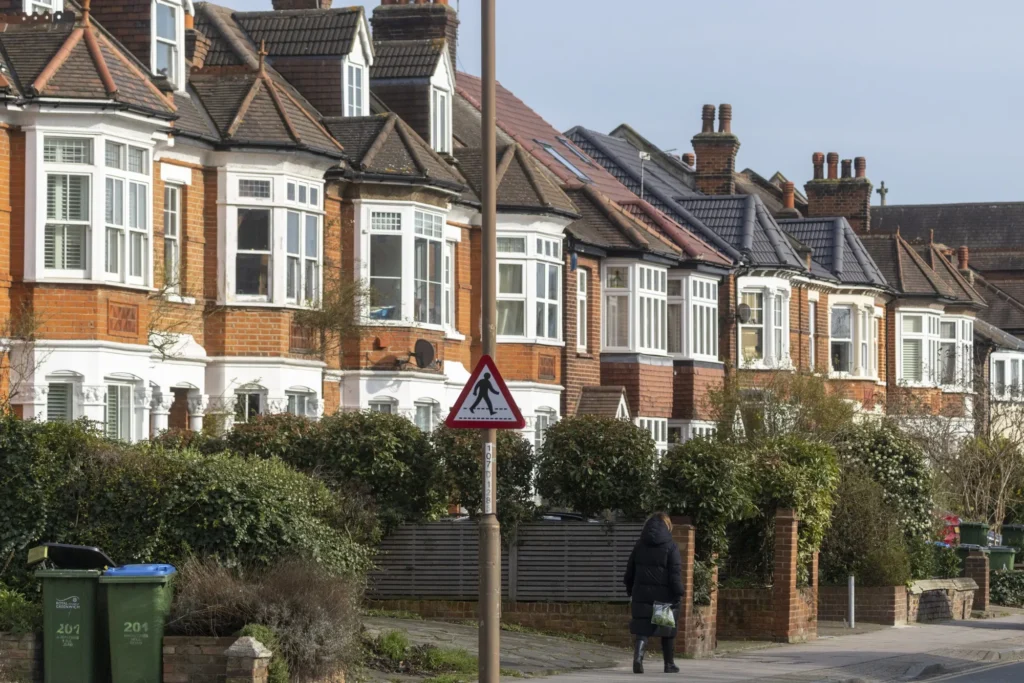
Millions of households across the United Kingdom are preparing for Council Tax increases in 2026, with local authorities confirming higher charges from April 2026, the start of the new financial year. Council Tax is a property-based local tax paid by homeowners and tenants to fund essential services such as social care, policing, waste collection, and local infrastructure.
Because funding pressures on local governments continue to grow, many councils in England, Scotland, and Wales are planning tax increases. The amount households will pay depends on the region, council decisions, and property band, but most residents can expect higher bills in the coming year.
This guide explains the expected Council Tax increases in 2026 across the UK, including England, Scotland, and Wales, along with average bills, regional differences, and available discounts.
Why Council Tax Is Rising in 2026
Local councils rely heavily on Council Tax revenue to fund services. However, in recent years, councils have faced several financial challenges, including:
- Rising demand for adult social care services
- Increased operational costs due to inflation
- Higher demand for housing and community services
- Pressure on council budgets due to reduced central funding
Because of these pressures, many councils across the UK have decided to increase Council Tax to maintain services.
Council Tax remains one of the largest sources of funding for local government, raising more than £50 billion annually across the UK.
Council Tax Increase in England (2026)
In England, the government limits how much councils can raise Council Tax without holding a public referendum.
For the 2026–2027 financial year, most councils can increase bills by up to 4.99% without a referendum. This threshold typically includes:
- 3% general council spending
- 2% adult social care precept
Most councils are expected to apply increases close to this maximum.
The average Band D Council Tax in England for 2025–26 was £2,280, which was already a 5% increase compared with the previous year.
If councils increase bills by another around 5% in 2026, the typical Band D bill could rise by roughly:
- £100 to £115 per year
Some councils have also been granted special permission to increase Council Tax above the usual cap, with certain areas allowed increases of:
- Up to 6.75%
- Up to 7.5%
- Up to 9% in exceptional cases
For example, almost all London boroughs are expected to raise Council Tax by the full 4.99%, meaning residents may pay about £100 more annually.
Council Tax Increase in Scotland (2026)
Council Tax rules in Scotland differ slightly because local tax policy is controlled by the Scottish Government.
In recent years, Scottish councils have introduced larger increases after several years of frozen taxes. The average Council Tax increase in Scotland recently reached around 9.5%, significantly higher than England.
Several councils raised taxes to address growing financial pressure on services.
In addition, Scotland has introduced new policies affecting property taxes, including:
- Potential new Council Tax bands for high-value homes
- Higher charges for second homes and empty properties
Some councils have also introduced large premiums for second homes, with certain areas charging significantly higher rates to tackle housing shortages.
Because of these policy differences, households in Scotland may see larger variations in Council Tax bills depending on location and property type.
Council Tax Increase in Wales (2026)
Council Tax increases in Wales are typically higher than in England because Welsh councils have more flexibility when setting rates.
Recent data shows that the average Band D Council Tax rise in Wales reached around 7.2%, significantly above England’s typical increases.
Some Welsh councils have introduced increases ranging from:
- 5% to over 9%
In certain regions, increases above 9% have been proposed to address local funding pressures.
Historically, Council Tax in Wales has risen faster than in other parts of the UK, with average annual increases exceeding 7% in some years.
Average Council Tax Bills in the UK
Although Council Tax varies widely by region, the Band D property is often used as the national benchmark.
Approximate averages:
| Region | Typical Increase | Average Band D Bill |
|---|---|---|
| England | Around 5% | ~£2,280 |
| Scotland | Around 8–9% | Varies by council |
| Wales | Around 7% | Varies by council |
These figures represent averages; actual bills may vary depending on:
- Local council decisions
- Police and fire service precepts
- Parish or community charges
- Property band
Council Tax bills can vary significantly even within the same region.
Council Tax Bands Explained
Every residential property in England, Scotland, and Wales is placed into a Council Tax band, which determines how much tax is paid.
The bands are based on property values from earlier valuation periods:
- England and Scotland: 1991 property values
- Wales: 2003 property values
The bands include:
| Band | Property Value Range |
|---|---|
| A | Lowest value properties |
| B | Low value |
| C | Below average |
| D | Average property |
| E | Above average |
| F | High value |
| G | Very high value |
| H | Highest value homes |
Moving up one band can increase the annual bill by hundreds of pounds.
What Council Tax Pays For
Council Tax funds a wide range of local public services that residents rely on every day.
These include:
- Adult social care
- Child protection services
- Waste collection and recycling
- Local road maintenance
- Fire and rescue services
- Police services
- Libraries and community services
In many councils, social care alone accounts for a large share of local spending, which is one of the main reasons tax increases occur.
Council Tax Discounts and Support
Even though Council Tax is mandatory, many households may qualify for discounts or financial assistance.
Common reductions include:
Single Person Discount
Households with only one adult receive 25% off their bill.
Council Tax Reduction Scheme
Low-income households may receive partial or full reductions.
Student Exemption
Full-time students are typically exempt from Council Tax.
Disability Reduction
Homes modified for residents with disabilities may qualify for reduced bands.
Pensioner Support
Some pensioners on low incomes may qualify for Council Tax support.
These support schemes can significantly reduce the amount households pay.
What Households Can Do if Bills Rise
If your Council Tax bill increases significantly, there are several steps you can take.
You can:
- Check whether you qualify for Council Tax reduction
- Verify that your property band is correct
- Arrange monthly payment plans
- Contact your local council for financial assistance
In some cases, households may also be able to challenge their Council Tax band if they believe their property is incorrectly assessed.
Frequently Asked Questions (FAQs)
1. When will Council Tax increase in 2026?
Council Tax changes normally take effect from April 2026, the start of the new financial year.
2. How much will Council Tax rise in England?
Most councils are expected to increase bills by around 4.99%.
3. Are increases higher in Scotland?
Yes. Some Scottish councils have introduced increases of around 8–9%.
4. Is Council Tax higher in Wales?
In many cases, Wales has higher percentage increases, often around 7% or more.
5. What is a Band D property?
Band D is the average property category used to compare Council Tax bills nationally.
6. How much is the average Council Tax bill in England?
Around £2,280 per year for Band D properties.
7. Why do councils increase Council Tax?
To fund services such as social care, policing, and local infrastructure.
8. Do renters pay Council Tax?
Yes. Usually tenants are responsible for Council Tax payments.
9. Can Council Tax be paid monthly?
Yes. Most councils allow payment over 10 or 12 instalments.
10. Can I challenge my Council Tax band?
Yes. You can challenge the band through the Valuation Office Agency.
11. Do students pay Council Tax?
Full-time students are usually exempt.
12. Are pensioners exempt?
Not automatically, but some pensioners qualify for reductions.
13. Do empty homes pay Council Tax?
Yes. Some councils even charge higher premiums on empty properties.
14. Can Council Tax rise above the cap?
Yes, but usually only with government approval.
15. Will Council Tax keep rising in the future?
Experts believe increases may continue due to rising local government costs.
Final Thoughts
Council Tax increases in 2026 are expected to affect households across England, Scotland, and Wales, with most residents paying more from April when the new financial year begins. While the exact amount varies depending on local council decisions, many households will see annual bills increase by around £100 or more.
Although these increases can place additional pressure on household budgets, residents should remember that discounts, support schemes, and payment options are available for those who qualify.
Understanding how Council Tax works and checking eligibility for reductions can help households manage the financial impact more effectively.
Disclaimer
This article is for general informational purposes only and is based on publicly available data at the time of writing. Council Tax rates, government policies, and eligibility rules may change. Readers should verify the latest information through official government sources such as GOV.UK, the Scottish Government, or the Welsh Government, or contact their local council for updated guidance.