

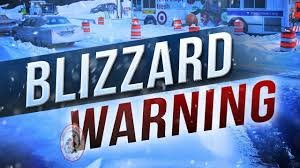
Blizzard Conditions Are Making Headlines This Winter
Across parts of North America and Europe in 2026, winter weather is turning dangerous. Meteorologists are monitoring powerful storm systems bringing heavy snow, strong winds, and conditions that meet the official blizzard criteria — low visibility, blowing snow, and sustained high winds. Recent forecasts and warnings show that multiple regions could see blizzard‑like conditions and winter storm impacts, making preparedness essential for residents and travelers alike

What Is a Blizzard?
A blizzard is more than just heavy snow. Officially, it refers to a weather event with:
- Sustained winds of at least 35 mph (56 km/h)
- Snow and blowing snow that reduce visibility to under ¼ mile
- Conditions that persist for at least three hours
These factors combine to create dangerous travel conditions, whiteouts, and widespread disruption. Unlike a normal snowstorm, the wind and poor visibility are what define a blizzard.

Where Blizzard Conditions Are Being Reported in 2026
📌 United States — Northern Plains & Northeast
Meteorologists recently forecast blizzard conditions across parts of North Dakota, especially around Fargo and the surrounding region, with heavy snow and strong winds expected to make travel hazardous.
In addition, a large winter storm system spanning more than 1,000 miles is expected to produce blizzard‑like conditions from the Plains to the Northeast, with heavy snow and potentially significant wind‑driven snow drifts.
Parts of the Northeastern U.S. — including areas from New York to Boston — are forecast to receive substantial snowfall, and models suggest possible blizzard conditions as the system intensifies over the weekend.
🌍 Europe — Snow and Wind Alerts
In Romania, a weather warning has been issued for widespread snow and strong winds across multiple counties, including Bucharest. This system could bring drifting snow and icy conditions that resemble blizzard weather in affected areas.
Why Blizzard Weather Matters
Blizzards pose serious hazards:
❄️ Travel Disruptions
Heavy snow and wind lead to near‑zero visibility and icy roads, often resulting in road closures, pileups, and stranded vehicles.
🚌 Public Transportation Impacts
Bus, train, and flight services may be delayed or cancelled as safety precautions are implemented.
💤 Power Outages
Blowing snow and ice buildup can bring down power lines, leaving communities without electricity for extended periods.
👨⚕️ Health Risks
Extreme cold combined with wind chill increases the risk of frostbite and hypothermia for anyone exposed to the elements.
How to Stay Safe During Blizzard Conditions
Here’s what experts recommend:
✔️ Stay Updated
Follow warnings from official sources like national meteorological agencies and local weather services.
✔️ Avoid Travel
If possible, don’t travel during a blizzard. Roads can become impassable quickly.
✔️ Prepare an Emergency Kit
Keep essentials like food, water, flashlights, blankets, and warm clothing ready at home.
✔️ Check on Others
Make sure vulnerable neighbors, elders, and pets are safe and warm.
FAQ — Blizzard Warnings 2026
Q: Can a blizzard happen anywhere?
A: Blizzard conditions are most common in cold, winter climates like the northern United States, Canada, parts of Europe, and Arctic‑influenced regions.
Q: How is blizzard different from a snowstorm?
A: A snowstorm may drop significant snow, but a blizzard must also have high winds and reduced visibility. All three must occur together to qualify as a blizzard.
Q: Which U.S. areas are under Blizzard Watch or Warning in 2026?
A: As of early 2026, parts of the Northern Plains (like North Dakota) and Northeast regions from New York to New England are forecast to experience blizzard conditions or heavy winter storm impacts.
Q: Can blizzards cause power outages?
A: Yes — heavy snow and drifting can bring down power lines, especially when combined with strong winds.
Q: Are blizzards dangerous even if temperatures aren’t extremely low?
A: Yes. Wind and blowing snow create visibility issues and drifting that can be dangerous, even if temperatures are moderately cold.
Blizzard in Popular Culture & Historical Context
Blizzards have shaped history in many regions. For example, blizzards in the Midwest and Northeast United States have reached historic levels of snowfall and disruption in past decades, showing how powerful these storms can be when conditions align. (Historical examples like the Chicago Blizzard remain reminders of their impact.)
Final Thoughts — Be Prepared This Winter Season
With ongoing winter storms and blizzard conditions impacting large areas in early 2026, staying informed and prepared is more important than ever. Whether you’re in a region expecting heavy snow or just following the forecasts from afar, understanding what a blizzard is and how to stay safe can help protect you and your family.
Stay tuned to local weather authorities for updates and heed any Blizzard Warnings or Winter Storm Alerts issued for your area.