


CANBERRA / BRISBANE — Australia’s food security is facing its most severe threat in decades. In an urgent open letter released on April 2, 2026, the National Farmers’ Federation (NFF) Horticulture Council warned that the nation’s fresh produce supply is at a “breaking point” due to skyrocketing fuel costs and a critical shortage of diesel.
As regional petrol stations run dry and freight surcharges hit record highs, farmers are demanding that major supermarkets—primarily Coles and Woolworths—immediately increase the prices paid to growers or face a total collapse of the domestic supply chain.
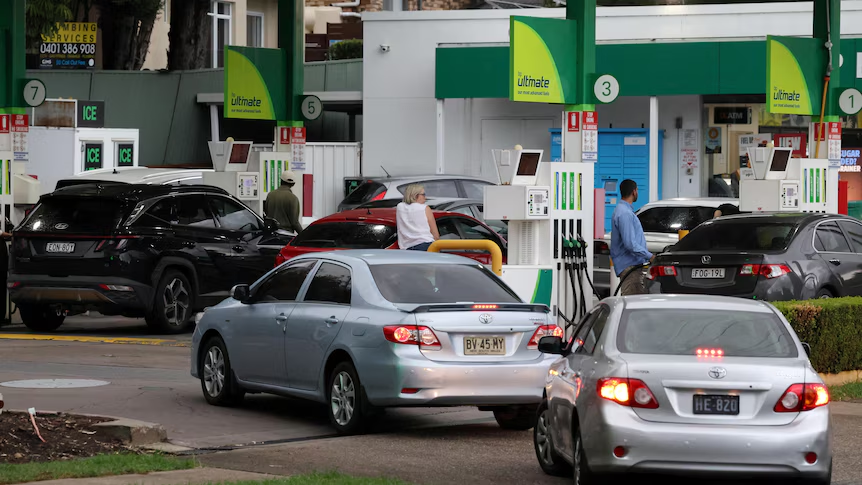
The 65% Surcharge: Why Your Groceries are About to Spike
The crisis stems from the ongoing conflict in the Middle East, which has turned the Strait of Hormuz into a no-go zone, cutting off 30% of the world’s oil. For Australia, the impact is devastating:
- The Freight Blow: Growers in Far North Queensland are reporting fuel surcharges of up to 65% of the total value of their produce just to get it to capital city markets.
- Thin Margins: With surcharges this high, farmers are literally losing money on every crate of fruit and vegetables they send to supermarkets.
- The “Rationing” Reality: In Western Australia, some growers have been forced to drive to the outskirts of Perth just to find enough diesel to run their irrigation pumps.
The Ultimatum to Supermarkets
The NFF Horticulture Council’s letter to the “Big Two” (Coles and Woolworths) is blunt. They are calling for “Good Faith” negotiations to reflect the true cost of production.
“How supermarkets respond to these cost pressures now will determine whether growers have the confidence to keep planting for the future,” said Jolyon Burnett, Chair of the Council.
The Farmers’ Demands:
- Immediate Price Adjustments: Supermarkets must accept price increase requests from suppliers without the usual “delays” or “rejections.”
- Honoring Forecasts: Retailers must stick to their volume agreements rather than looking for cheaper, imported alternatives during the crisis.
- End to ‘illusory’ Discounts: Farmers argue that the current ACCC court cases against supermarkets for misleading “Down Down” prices prove that retailers have the margin to pay farmers more without hurting consumers.
Quick Facts: Australia’s April 2026 Fuel Emergency
- Fuel Status: Prime Minister Anthony Albanese has tapped into Emergency Fuel Reserves and offered interest-free loans to critical supply chain businesses.
- Record Prices: Diesel has seen its largest single-month increase in Australian history.
- First Impact: Dairy products are expected to see the first major price jump, followed by leafy greens and intensive animal products (chicken/pork).
- Abandonment: Some growers in regional NSW and QLD have already begun abandoning future plantings because they cannot guarantee they will have the fuel to harvest them.
Analysis: Empty Shelves by Mid-April?
Trade analysts suggest that if the supermarket giants do not budge on pricing by April 21, the freight industry could see major collapses. “We are heading toward a broken supply chain,” warned Warren Clark of the National Road Transport Association.
For the average Australian shopper, this means the era of “cheap veg” is over for the foreseeable future. Expect to see “Limit per Customer” signs returning to the fresh produce aisles within the next 14 days.
Editorial Note:
This report is compiled by the international trade desk of bollywoodview.in. For more on how the global energy crisis is impacting your lifestyle and the latest Bollywood news, stay locked to our site.