
Diplomatic Silence? Starmer Implies He Didn’t Tell Trump He Was ‘Fed Up’ Over Rising UK Energy Bills
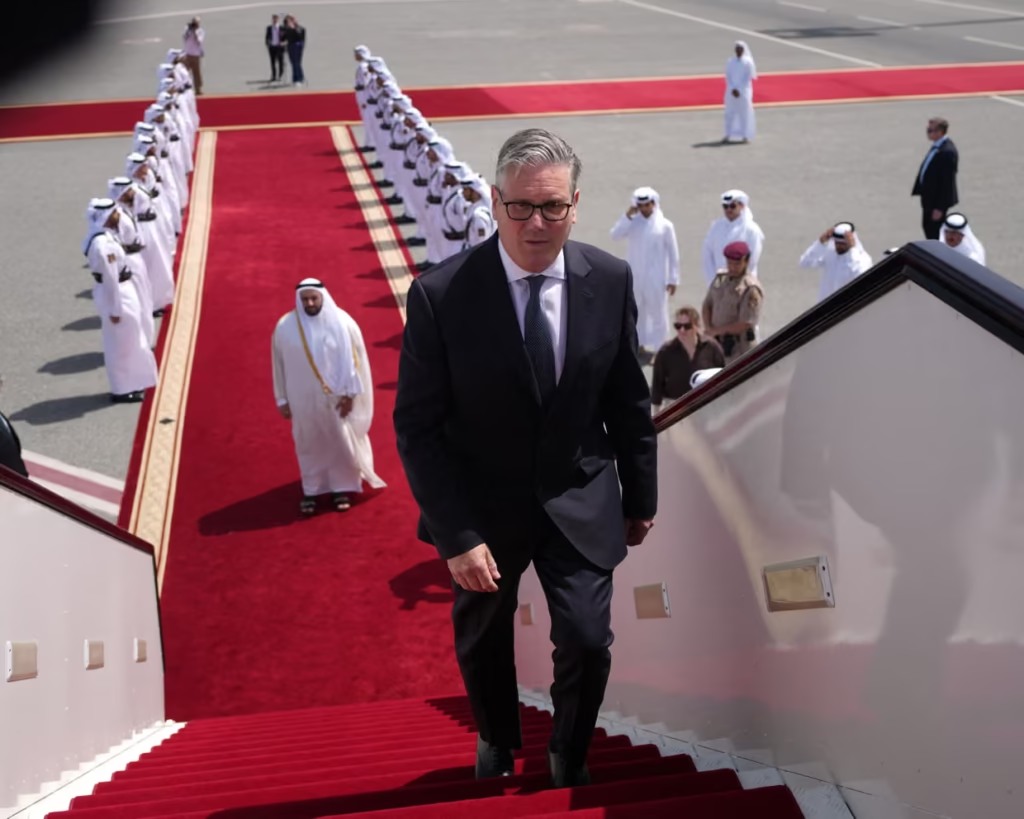
On this Friday, **April 10, 2026**, the corridors of Westminster are buzzing with the fallout of the latest transatlantic dialogue. UK Prime Minister Keir Starmer has strongly implied that during his high-stakes meeting with Donald Trump, he chose diplomatic caution over blunt confrontation. Despite immense domestic pressure to address how American energy policies are impacting British wallets, Starmer reportedly steered clear of telling Trump he was “fed up” with the rising costs of UK energy bills.
The controversy stems from the current global energy volatility seen in early 2026. With UK households facing yet another spike in heating and electricity costs, the British public was hoping for a firm stance against international market disruptions. However, Starmer’s latest briefing suggests that the “special relationship” remains a delicate balancing act, where economic grievances are often whispered rather than shouted.
Critics at home have been quick to pounce. Opposing parties argue that the Prime Minister is failing to stand up for the common citizen. In the UK today, energy security is the number one political battleground. While the US continues its “America First” energy push in 2026, the ripple effects are being felt deeply in London and beyond. Starmer’s refusal to confirm a “tough talk” indicates that the UK may be looking for alternative ways to stabilize its grid without upsetting its largest ally.
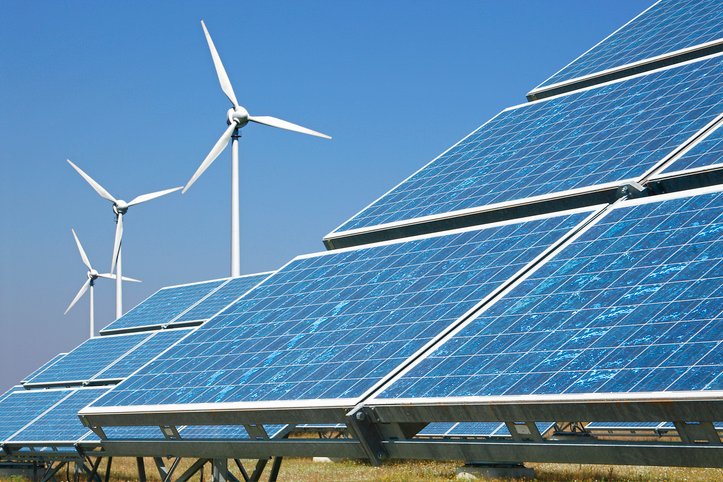
Interestingly, while the UK struggles with diplomatic energy ties, other nations are achieving total energy sovereignty. India, for instance, has just reported a massive record in solar capacity, as highlighted by PM Narendra Modi. This contrast highlights a growing divide in 2026: countries that are successfully pivoting to domestic green energy versus those still tethered to the whims of global geopolitical giants and fossil fuel markets.
Beyond energy, the Starmer-Trump meeting also touched upon trade and security. But for the average Briton, the takeaway remains the same: the cost of living crisis is far from over. Analysts suggest that Starmer’s strategy is to secure a long-term trade deal first, hoping that economic growth will eventually offset the energy burden. However, with the April 2026 inflation figures looking stubborn, this “wait and see” approach is a massive political gamble.
The Prime Minister’s spokesperson later clarified that while the “impact of global markets” was discussed, the specific phrase “fed up” was not used. This nuance in language is typical of 2026 diplomacy, where every word is scrutinized for its impact on the stock market. As the UK heads into the local election season, Starmer’s handling of this “Trump Factor” will likely decide the fate of his administration’s approval ratings.
BOLLYWOODVIEW.IN — Politics, Power & Perspectives.