

Surya Shakti: India Smashes Records with Massive Solar Capacity Surge; PM Narendra Modi Hails Green Energy Success!
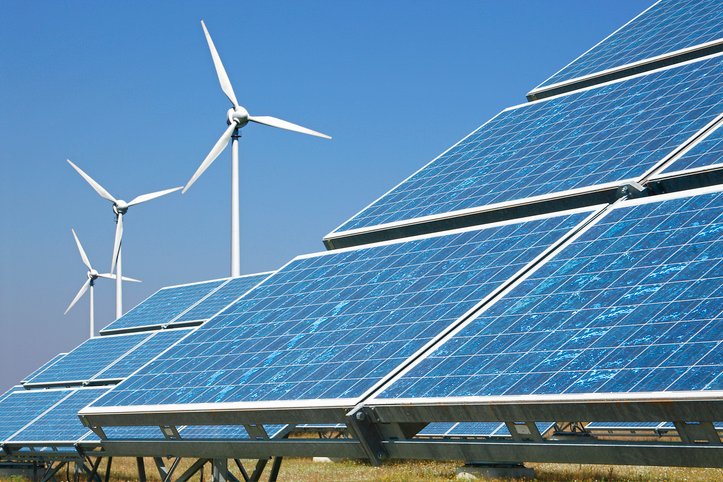
On this landmark day, **Friday, April 10, 2026**, India has officially redefined its position as a global leader in renewable energy. According to the latest data released by the Ministry of New and Renewable Energy, India has achieved a record-breaking solar capacity addition in the first quarter of 2026. This surge marks a historic shift in the country’s power grid, pushing the total installed solar capacity to unprecedented heights that were once considered impossible for this decade.
Prime Minister **Narendra Modi**, while addressing a high-level climate summit today, highlighted this milestone as a testament to India’s commitment to the ‘Net Zero’ goal. He emphasized that the “Surya Shakti” of the nation is not just about producing electricity, but about empowering millions of households with sustainable and affordable energy. The PM noted that the rapid implementation of solar parks and the massive adoption of rooftop solar schemes have played a pivotal role in this 2026 triumph.
The latest industry reports suggest that the cost of solar energy production in India has dropped by another 12% in 2026, making it the most cost-effective source of power in the region. This economic advantage is attracting massive foreign direct investment (FDI) into the green energy sector. Several mega-projects in Rajasthan and Gujarat have become fully operational this month, contributing significantly to the national grid during the peak summer demand of April 2026.
While India shines in solar energy, our technological advancements in other sectors are equally impressive. Just yesterday, the nation witnessed a breakthrough in quantum communication, proving that India’s digital future is as secure as its energy future is green. This synergy between energy independence and technological sovereignty is positioning India as the world’s most resilient economy in 2026.
The impact of this solar boom is visible across sectors. From electric vehicle charging stations being powered by 100% solar energy to major film studios in Mumbai switching to renewable sources, the transition is holistic. Trade analysts at **Bollywoodview.in** have observed that even big-budget productions are now bragging about their “Green Credentials,” often using solar-powered sets to reduce the carbon footprint of the Indian film industry.
International observers have lauded India’s 2026 solar strategy. The International Energy Agency (IEA) recently pointed out that India’s “Solar Mission” is a blueprint for developing nations. By combining government subsidies with private sector innovation, India has managed to build a supply chain that is no longer dependent on a single country, ensuring long-term energy security for the billions of its citizens.
International observers have lauded India’s 2026 solar strategy. The International Energy Agency (IEA) recently pointed out that India’s “Solar Mission” is a blueprint for developing nations. By combining government subsidies with private sector innovation, India has managed to build a supply chain that is no longer dependent on a single country, ensuring long-term energy security for the billions of its citizens.
Bollywoodview.in — Powering the Future.