


Read time:Less then 2 minutes
Heart attacks were once considered a disease mostly affecting older adults. Today, doctors are seeing a worrying trend — more people in their 30s and even late 20s are experiencing heart problems.
Medical experts say modern lifestyle habits such as poor diet, long working hours, stress, lack of physical activity and inadequate sleep are putting increasing pressure on the heart.
According to the World Health Organization, cardiovascular diseases remain one of the leading causes of death globally, but many of these cases are preventable with better lifestyle choices.
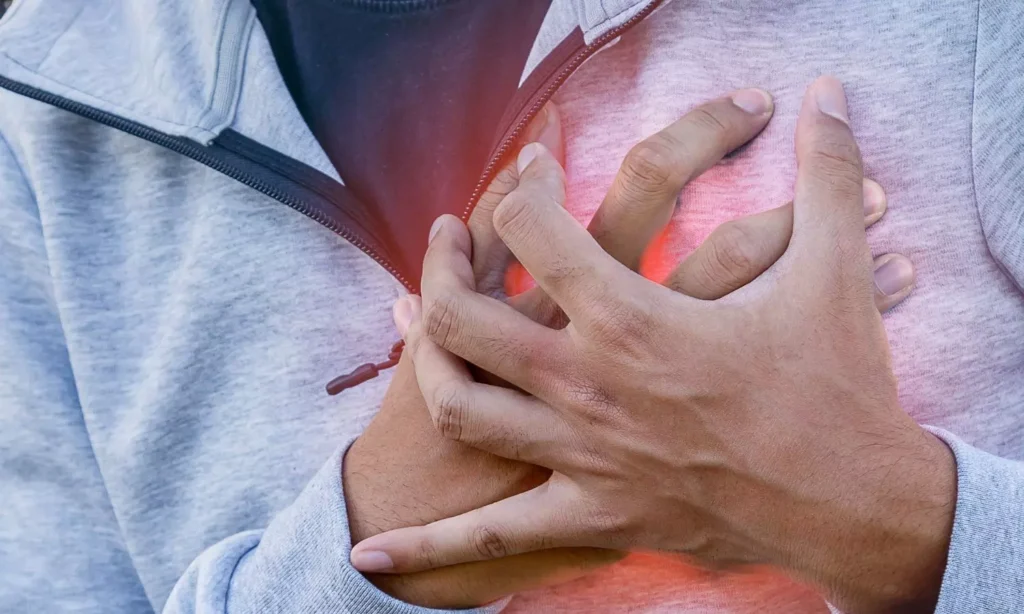
Understanding the risks and adopting healthier habits can significantly improve heart health.
Key Highlights
- Heart attacks are increasing among younger adults
- Sedentary lifestyle and junk food are major causes
- Early symptoms are often ignored
- Balanced diet and exercise help protect the heart
- Regular health checkups detect risk factors early
- Health insurance can support treatment during emergencies
Why Heart Attacks Are Increasing
Doctors believe several lifestyle factors are responsible for the rising number of heart problems.
Sedentary Lifestyle
Many people spend 8–10 hours sitting at desks or working on computers.
For example, someone who drives to work, sits all day in the office, and relaxes at home watching television may hardly move throughout the day. This lack of activity can slow metabolism and increase cholesterol levels.
Poor Diet and Junk Food
Modern diets often include large amounts of processed and fast food.
These foods typically contain:
- excessive salt
- unhealthy fats
- refined carbohydrates
- added sugar
Regular consumption can increase cholesterol and gradually damage arteries.
Stress and Lack of Sleep
High stress levels and poor sleep habits can increase blood pressure and disrupt hormone balance.
People who sleep fewer than six hours regularly may face higher risks of heart disease over time.
Smoking and Alcohol
Smoking damages blood vessels and reduces oxygen supply to the heart. Excessive alcohol consumption can also raise blood pressure and weaken heart muscles.
Early Warning Signs People Should Not Ignore
Heart attacks usually do not happen without warning. Many people experience early symptoms but ignore them.
Common warning signs include:
- chest discomfort or pressure
- shortness of breath
- unusual fatigue
- pain in the arm, neck or jaw
- dizziness or nausea
Experts from the American Heart Association advise seeking medical attention if these symptoms appear repeatedly.
Best Diet for a Healthy Heart
Eating natural and balanced meals is one of the most effective ways to protect the heart.
Foods That Support Heart Health
- fruits and vegetables
- whole grains like oats and brown rice
- nuts and seeds
- beans and lentils
- fish rich in omega-3 fatty acids
- healthy oils such as olive oil
Replacing fried snacks with fruit or nuts is a simple step toward better heart health.
Foods to Avoid
Certain foods increase cholesterol and should be consumed only occasionally.
These include:
- deep-fried foods
- processed meat
- sugary drinks
- packaged snacks
- refined white bread
- high-salt foods
Heavy meals late at night can also affect metabolism and heart health.
Best Time to Eat for Heart Health
| Meal | Ideal Time | Example |
|---|---|---|
| Breakfast | 7–9 AM | Oatmeal with fruit |
| Lunch | 12–2 PM | Balanced meal with vegetables and protein |
| Dinner | 6–8 PM | Light meal such as soup or salad |
| Avoid eating | After 10 PM | Late-night snacks |
Maintaining a regular eating schedule helps the body maintain a healthy metabolism.
Why Exercise Is Important
Physical activity strengthens the heart and improves circulation.
Benefits of regular exercise include:
- reducing bad cholesterol (LDL)
- increasing good cholesterol (HDL)
- controlling body weight
- lowering blood pressure
Health experts recommend at least 30 minutes of exercise five days a week.
Activities such as walking, cycling, swimming and yoga are excellent options.
Healthy vs Risky Lifestyle Habits
| Healthy Habits | Risky Habits |
|---|---|
| Daily exercise | Sitting all day |
| Home-cooked meals | Junk food |
| 7–8 hours sleep | Late nights |
| Stress management | Chronic stress |
| Regular health checkups | Ignoring symptoms |
Consistent healthy habits can greatly reduce long-term heart disease risk.
Ideal Heart Rate for Adults
A normal resting heart rate for most adults ranges between 60 and 100 beats per minute.
People who exercise regularly may have a slightly lower resting heart rate because their heart works more efficiently.
Why Health Insurance Is Important
Heart disease treatment can be expensive, especially if hospitalisation or procedures are required.
Having health coverage regulated by the Insurance Regulatory and Development Authority of India can help families manage medical expenses during emergencies.
Health insurance can provide:
- financial protection during treatment
- access to quality hospitals and specialists
- coverage for diagnostic tests and procedures
- peace of mind for patients and families
Timely medical care should never be delayed due to financial concerns.
Heart Health Awareness
Doctors emphasize that protecting heart health should begin early.
Simple preventive steps include:
- maintaining a healthy body weight
- reducing salt and sugar intake
- exercising regularly
- managing stress
- getting annual health checkups
Awareness and early prevention are key to reducing the risk of heart disease.
Frequently Asked Questions
Why are heart attacks increasing among young people?
Lifestyle changes such as sedentary work, unhealthy diets, stress, smoking and obesity are major contributing factors.
Can exercise lower cholesterol?
Yes. Regular exercise helps reduce harmful LDL cholesterol and increases beneficial HDL cholesterol.
Which foods are best for heart health?
Fruits, vegetables, whole grains, nuts, fish and healthy oils are widely recommended for cardiovascular health.
Is junk food harmful to the heart?
Frequent consumption of junk food can increase cholesterol, blood pressure and body weight.
How often should heart checkups be done?
Adults above 30 should check blood pressure, cholesterol and blood sugar at least once every year.
Conclusion
Heart attacks are increasing partly because of modern lifestyle habits, including poor diet, lack of exercise and high stress levels.
However, many heart problems can be prevented.
By eating balanced meals, staying physically active, getting adequate sleep and scheduling regular health checkups, individuals can protect their heart and improve long-term health.
Small changes made today can lead to a healthier future.