


The Crisis at a Glance
The inquiry comes at a time when Montreal is grappling with a visible increase in homelessness and deteriorating conditions on the streets. The Chief Coroner’s office noted that the investigation is necessary to “shed full light” on the social and human issues contributing to these avoidable deaths.
The probe will be led by Coroner Stéphanie Gamache, who previously oversaw the 2021 inquiry into the death of Raphaël “Napa” André, an Innu man whose death in a portable toilet sparked a national conversation about shelter access.
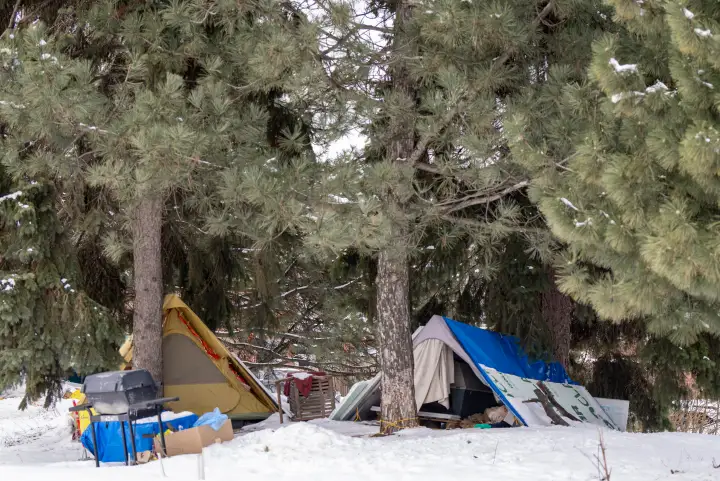
What Happened: The Five Focus Cases
The inquiry will specifically analyze five deaths that occurred between September 2025 and March 2026. While the coroner can add more cases to the file, these five form the core of the investigation:
- Jennifer De Nobile (30): Died September 23, 2025.
- Marie Soleil Nantais (46): Died October 24, 2025.
- Valmont Brousseau (71): Died March 24, 2026.
- Alain Paris (55): Died March 24, 2026.
- Serge Martin (57): Died March 25, 2026.
Notably, Brousseau, Paris, and Martin all died within the same 48-hour window last week, two of them inside separate homeless shelters.
Key Details & Objectives
- Goal: To identify the “causes and circumstances” of the deaths and issue concrete recommendations to prevent future tragedies.
- Legal Power: The inquiry has the power to subpoena witnesses and demand data from health authorities and shelter operators.
- Context: Community organizations, such as the Welcome Hall Mission, have warned that the unhoused population is aging and facing more complex health issues, including untreated chronic conditions and the presence of more dangerous street drugs.
Why This Matters
For Montrealers, this inquiry represents a critical look at a system that many feel is failing its most vulnerable. Advocacy groups have pointed out that despite millions in funding—including a recent $13 million federal injection for encampments—deaths are still increasing. The results of this inquiry are expected to force a “unified system” for tracking homeless deaths, which currently does not exist in Quebec.
Real-World Impact
The inquiry is expected to pressure both provincial and federal governments to move beyond temporary shelter solutions and focus on permanent supportive housing—combining a roof with mental health and medical care. As Sam Watts of the Welcome Hall Mission noted, “If any other segment of the population were dying like this, we’d be asking questions.”
Quick Facts Section
- Chief Coroner: Reno Bernier.
- Inquiry Lead: Stéphanie Gamache.
- Location: Montreal, Quebec.
- Timeline of Deaths: September 2025 – March 2026.
- Key Finding Goal: To create a minimum standard of care for the unhoused.
Reader Questions
1. Why was a public inquiry called now? A spike in deaths last week, where three people died in two days, served as a “tipping point” for authorities and the public.
2. What happens after the inquiry ends? The coroner will issue a final report with recommendations. While not legally binding, these reports often lead to significant policy shifts and increased funding for social services.
3. Will the inquiry look at drug overdoses? Yes. The coroner will look at all contributing factors, including the deteriorating quality of street drugs and the lack of specialized medical support for those with addiction.
4. How long will the investigation take? Public inquiries typically take several months to a year. Hearing dates will be announced later this year.
Closing Section
The Montreal public inquiry is more than a legal procedure; it is a moral reckoning for the city. As the coroner begins the task of reviewing these five lives, the hope is that their deaths will lead to a systemic shift that ensures “life on the streets” is no longer a death sentence in one of Canada’s wealthiest cities.
Editorial Note: This article is published by the editorial team of Bollywoodview.in covering entertainment, global trends, and lifestyle stories. Follow our live feed for further updates on Montreal’s social policy and global news.