


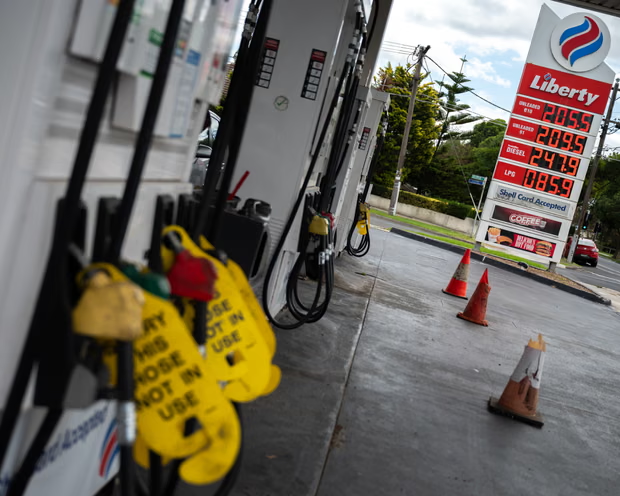
Rising fuel prices across Australia are triggering anger and frustration among workers, with many saying the cost of simply getting to work is becoming unsustainable.
As petrol and diesel prices surge nationwide, commuters say they feel like they are “working just to pay for fuel.” The growing pressure has sparked heated debate online and renewed calls for employers and governments to rethink commuting expectations.
Workers Say Commuting Is Becoming Too Expensive
Across social media and online forums, Australians are sharing stories about the financial strain caused by rising petrol prices. One viral post summed up the frustration bluntly, claiming many workers are now “just working to put petrol in the car to get to work.”
Some employees say the situation has reached a breaking point. In extreme cases, workers have joked—or seriously considered—quitting their jobs altogether because commuting costs are eating into their income.
For Australians who rely on cars for work, particularly those in regional areas or shift-based roles, avoiding the drive simply isn’t an option.
Families Forced to Make Tough Choices
Many workers are already adjusting their lifestyles to cope with the rising cost of fuel.
Some couples are temporarily living apart during the workweek because it is cheaper than driving long distances daily. Others say they are considering moving closer to work or even moving back in with family to reduce travel costs.
One worker reported that their partner now stays in a caravan park near their job during the week because the commute has become too expensive.
For families already dealing with rising grocery bills, rent and interest rates, the additional cost of fuel is pushing household budgets to the limit.
Government Tries to Ease Pressure
The Australian government has attempted to provide some relief by temporarily halving the fuel excise, which is expected to cut petrol prices by about 26.3 cents per litre.
While the move may save drivers around $19 per tank, many Australians argue the reduction is not enough given how quickly fuel prices have climbed.
Experts say the surge is linked to global supply disruptions and geopolitical tensions that have pushed oil prices higher worldwide.
Push for More Work-From-Home Options
The fuel crisis has also reignited the debate about remote work.
Energy experts and international agencies have suggested that working from home where possible could help reduce fuel demand and ease pressure on commuters.
However, not all employers are willing to reintroduce flexible work arrangements. Some companies are still enforcing strict return-to-office policies, even as commuting costs rise.
Leadership specialists argue this approach could backfire, warning that businesses ignoring workers’ financial pressure risk losing talent.
A Growing Cost-of-Living Problem
Fuel prices have become one of the biggest cost-of-living challenges facing Australians in 2026. For workers who must travel long distances—such as tradies, healthcare workers, and support staff—the impact is especially severe.
Economists warn that if petrol prices remain high, the effects could ripple across the economy by influencing job choices, hiring decisions and even where people choose to live.
For now, many Australians feel trapped between rising costs and the need to keep working—fueling a nationwide debate about commuting, wages and the future of work.
For latest Bollywood, cricket and global updates please follow our website.