


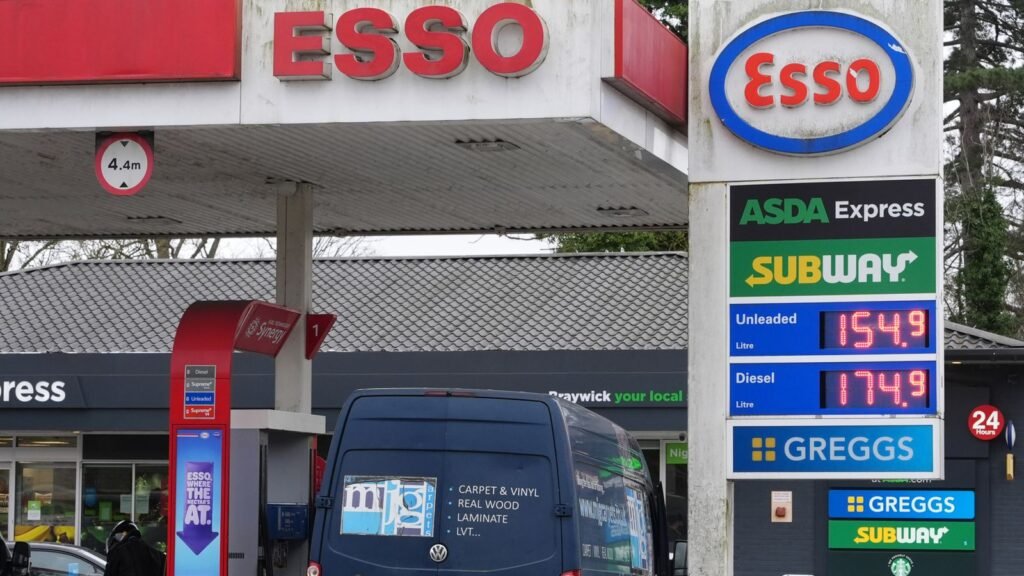
Amidst a week of significant volatility in the energy markets, UK Energy Minister Michael Shanks has officially urged motorists to “fill up as normal” and avoid panic buying, despite petrol prices breaking through the 150p-per-litre milestone this weekend.
The government’s call for calm comes as global oil prices surged following recent escalations in the Middle East, leading to localized “temporary supply constraints” at some forecourts across Britain.
The Official Stance: “No Need to Panic”
Speaking on Tuesday, March 24, and reiterated in government briefings through Sunday, March 29, 2026, Energy Minister Michael Shanks insisted that the UK’s fuel supply remains resilient. He stated that while international markets are “volatile,” there is no physical shortage of fuel in the UK that justifies a change in consumer behavior.
“Drivers do not need to slow down or change how they buy fuel. We are in a much stronger position to weather these global shocks than we were four years ago.” — Michael Shanks, Energy Minister
Why Are Prices Rising?
The current price hike is a direct result of the US-Israel-Iran conflict that intensified in late February 2026. This has severely disrupted traffic through the Strait of Hormuz, a critical chokepoint for 20% of the world’s oil.
- Petrol Prices: Have jumped by approximately 12p–17p per litre in March alone, now averaging over 150.1p.
- Diesel Prices: Have seen an even steeper climb of roughly 25p–35p, with averages now nearing 180p per litre.
- The “Asda Effect”: Major retailers, including Asda, have reported “strong increases in demand,” leading to temporary “stock-outs” at a small number of stations as delivery schedules struggle to keep pace with the sudden rush of drivers.
Frequently Asked Questions (F&Q)
- Should I fill up my tank right now?
- The government advice is to refuel as you normally would. Panic buying creates artificial shortages by outstripping the speed at which tankers can resupply stations.
- Is there a fuel shortage in the UK?
- No. There is a supply chain squeeze due to high demand, but the UK has ample stocks. The “dry” pumps reported at some stations are temporary and due to rapid buying, not a lack of national supply.
- How long will the high prices last? Analysts suggest prices will remain elevated as long as the conflict in the Middle East impacts global shipping. However, the 5p fuel duty cut remains in place until September 2026 to help.
- What is the ‘Cheap Fuel Finder’? It is a government-backed initiative that forces petrol stations to publish live prices, making it easier for you to find the lowest price in your area via apps like myRAC or PetrolPrices.
- Why is diesel so much more expensive than petrol? The UK relies more heavily on imported refined diesel. Global disruptions hit these imports harder and faster than petrol.
- Can I still travel for the Easter holidays? Yes. There are currently no government restrictions on travel, though budgeting for higher fuel costs is advised.
- Are supermarkets still the cheapest? Generally, yes, but the gap has narrowed as supermarkets have increased their margins to manage the current volatility.
- Will the government cut fuel duty further? While there are calls for a further cut, the Chancellor has currently only committed to maintaining the existing 5p discount through the summer.
- What was the “150p milestone”? 150p per litre is a psychological and economic threshold the UK hasn’t crossed since mid-2024.
- Is “Work from Home” being reintroduced? The Prime Minister has not ruled out voluntary arrangements if the crisis protracts, but there are no mandatory orders currently in place.
Final Thoughts
The sight of rising numbers on the forecourt display is never easy, especially with the Easter break approaching. However, history shows that the quickest way to empty the pumps is for everyone to rush them at once. By following the “fill up as normal” guidance, we can ensure that fuel remains available for emergency services and those who need it most.
Disclaimer: This report is based on official government statements and market data as of March 29, 2026. Fuel prices and availability are subject to rapid change based on global geopolitical events. Always check with your local retailer for the most up-to-date pricing. This article does not constitute financial or travel advice.