


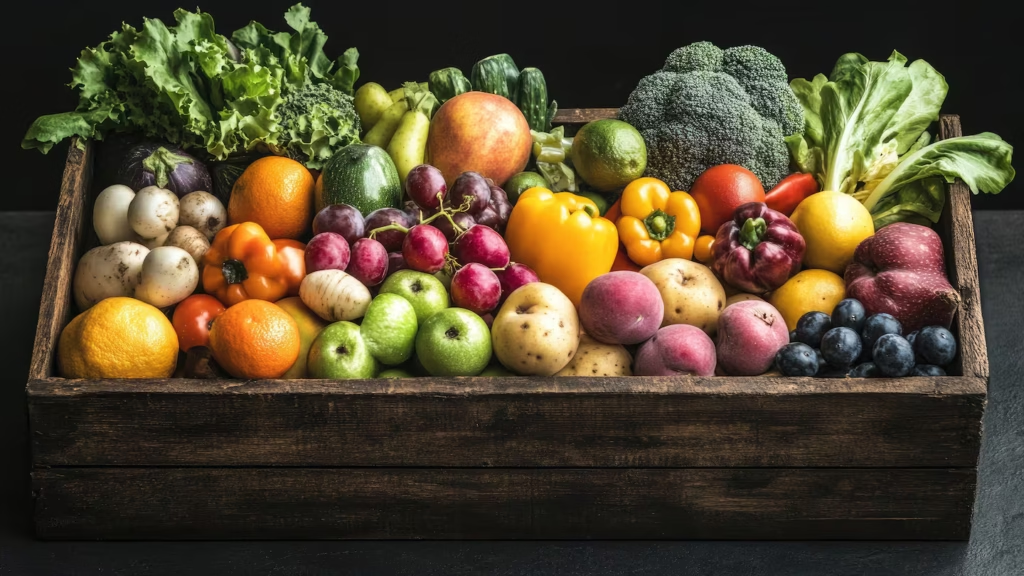
The Great NZ Freshness Crisis: Why Produce is Going Off
Shoppers from Northland to Southland have recently taken to social media to complain about “soggy” carrots, “abysmal” potatoes, and fruit that perishes within 48 hours of purchase. While frustrating, there are several verified reasons behind this 2026 dip in quality:
1. The “Perfect Storm” of Factors
- Supply Chain Strains: Ongoing fuel security issues and high freight costs in March 2026 have led to some produce sitting longer on trucks or in transit hubs before reaching shelves.
- Extreme Weather: Heavy rainfall and unseasonal temperature swings during the 2026 growing season have increased moisture levels in staples like onions and potatoes, significantly shortening their shelf life.
- Factory Closures: With major processors like Heinz Wattie’s and McCain announcing closures of NZ plants this month, the local supply chain is undergoing a massive and stressful reorganization.
2. Your Rights as a Shopper
Under the Consumer Guarantees Act, if you buy produce that is not of “acceptable quality,” you are entitled to a remedy.
- The 48-Hour Rule: Woolworths NZ has publicly stated they will refund and replace any poor-quality produce if contacted within 48 hours.
- Keep Your Receipt: Take a photo of the rotting produce and your receipt. Most supermarkets (New World, PAK’nSAVE, Woolworths) will offer a refund or exchange for clearly defective items.
How to Stop the Waste: Join the ‘Leftover Legends’
March 2026 marks International Food Waste Action Week, and New Zealand is currently running the “Leftover Legends Challenge” to help Kiwis save money and the planet. Here is how you can extend the life of your groceries:
Storage Hacks for 2026
| Produce | The “Save It” Strategy |
| Potatoes/Onions | Store in a cool, dark place (like a cardboard box), but never together. Onions release gases that make potatoes sprout faster. |
| Leafy Greens | Wrap in a damp paper towel and place in an airtight container or reusable bag. This can double their lifespan in the fridge. |
| Bread | NZ’s humid autumn can lead to quick molding. Store bread in the freezer and toast slices directly from frozen. |
| Celery/Carrots | Store upright in a jar with an inch of fresh water in the fridge to keep them crunchy. |
The “Eat Me First” Strategy
- The ‘Eat Me First’ Bin: Designate a specific shelf or container in your fridge for items nearing their expiry. This visual cue helps ensure they aren’t forgotten.
- Revive Your Veggies: Limp carrots or celery can often be revived by soaking them in a bowl of ice water for 30 minutes.
- Leftover Legends: Turn “sad” vegetables into hearty soups or stir-fries. Even small portions of last night’s dinner can be transformed into today’s “free” lunch.
Final Thoughts
Food waste costs the average New Zealand household roughly $1,500 to $3,000 per year. By being a bit more “shopping savvy”—checking your week, checking what you already have, and using proper storage—you can beat the current quality slump and keep your hard-earned money in your pocket.
Official Disclaimer
Disclaimer: bollywoodview.in provides these tips based on current NZ consumer reports and advice from Love Food Hate Waste NZ as of March 28, 2026. Individual storage results may vary based on appliance quality and local humidity levels.