

Samsung Case Study: From a Small Trading Shop to a Global Technology Giant
Introduction
Samsung is one of the most powerful technology companies in the world today. The brand is widely recognized for smartphones, televisions, semiconductors, and advanced digital technologies. What makes Samsung unique is its transformation from a small local trading business into a global conglomerate influencing electronics, artificial intelligence, semiconductors, and digital infrastructure.
Today Samsung operates in more than 80 countries, sells hundreds of millions of devices every year, and generates hundreds of billions of dollars in revenue. Its smartphone division, especially the Galaxy series, has made Samsung one of the most recognized brands in the global technology industry.
This case study explores how Samsung started, how it built its mobile empire, its financial growth, innovations, competitors, and lessons businesses can learn from its strategy.
The Origin of Samsung: How It All Started
Samsung was founded in 1938 by Lee Byung-Chul in Daegu, South Korea.
Interestingly, Samsung did not start as a technology company.
It began as a small trading company dealing in groceries, dried fish, and noodles. The company exported products to China and nearby regions. After the Korean War, Samsung expanded into textiles, insurance, food processing, and retail.
The major turning point came in 1969, when Samsung entered the electronics industry with the creation of Samsung Electronics. This decision laid the foundation for the company’s future as a global technology leader.
Example of Early Growth
Early product launches included:
- Black-and-white televisions
- Refrigerators
- Washing machines
- Air conditioners
By the late 1980s, Samsung began focusing heavily on semiconductors and mobile technology, which later became the core of its global dominance.
Samsung’s Entry into the Mobile Industry
Samsung entered the mobile phone market in the late 1980s but achieved major success in the 2000s with feature phones.
The real breakthrough came in 2010, when Samsung launched the Galaxy smartphone series powered by Android.
The Galaxy S series became one of the most successful smartphone lines globally and helped Samsung compete directly with Apple.
Today Samsung sells around 400 million mobile devices globally each year, including smartphones, tablets, and wearables.
Samsung Revenue Growth Year by Year
Samsung’s financial growth demonstrates how powerful its global expansion has been.
| Year | Revenue (USD Billion) |
|---|---|
| 2007 | 106.7 |
| 2008 | 105.1 |
| 2009 | 114.0 |
| 2010 | 134.3 |
| 2011 | 146.1 |
| 2012 | 184.2 |
| 2013 | 210.9 |
| 2014 | 195.4 |
| 2015 | 175.0 |
| 2016 | 175.5 |
| 2017 | 214.7 |
| 2018 | 221.6 |
| 2019 | 198.1 |
| 2020 | 203.8 |
| 2021 | 241.2 |
| 2022 | 233.2 |
| 2023 | 196.7 |
| 2024 | 218.9 |
Samsung consistently generates over $200 billion in annual revenue, placing it among the largest technology companies in the world.
Workforce and Global Presence
Samsung’s operations span multiple industries and countries.
Key numbers:
- Employees: Over 136,000+ global employees
- Countries operating: 80+
- Global device shipments: Hundreds of millions annually
- Headquarters: Seoul, South Korea
Samsung products are sold through:
- Official stores
- Telecom operators
- Online retailers
- Third-party electronics stores
Samsung has thousands of service centers and retail outlets worldwide.
Samsung’s Global Ranking in Technology
Samsung consistently ranks among the top technology companies globally.
Typical industry rankings:
Smartphone market
- Apple
- Samsung
- Xiaomi
- Oppo
- Vivo
In semiconductor manufacturing, Samsung is one of the largest chip manufacturers in the world, competing with companies such as TSMC and Intel.
Major Competitors of Samsung
Samsung faces competition across multiple sectors.
Smartphone Competitors
- Apple
- Xiaomi
- Oppo
- Vivo
- Google Pixel
- Huawei
Semiconductor Competitors
- TSMC
- Intel
- SK Hynix
- Micron
Consumer Electronics Competitors
- Sony
- LG
- Panasonic
Despite strong competition, Samsung remains dominant because it manufactures many of its own components like displays, memory chips, and processors.
Samsung’s Innovation and Technology Leadership
Samsung invests heavily in research and development.
Key innovation areas include:
1 Foldable Smartphones
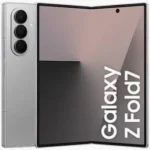
Galaxy Z Fold and Galaxy Z Flip series pioneered the foldable phone market.
2 Semiconductor Technology
Samsung is a global leader in:
- DRAM memory
- NAND flash storage
- AI chips
Demand for AI-related chips has recently boosted Samsung profits significantly.
3 Display Technology
Samsung dominates the OLED display market used by many smartphone manufacturers.
4 Smart Ecosystem
Samsung devices integrate with:
- Smart TVs
- Smart refrigerators
- Smart watches
- Smart home devices
Samsung’s Strategy That Made It Successful
Several strategic decisions helped Samsung dominate the technology industry.
1 Vertical Integration
Samsung manufactures many of its own components.
Examples
- Displays
- Memory chips
- Batteries
- Processors
This reduces costs and increases control over supply chains.
2 Massive R&D Investment
Samsung invests billions every year in research and development.
3 Global Manufacturing
Factories exist in multiple countries including:
- South Korea
- Vietnam
- India
- China
4 Product Diversification
Samsung sells products in many categories:
- Smartphones
- TVs
- Semiconductors
- Appliances
- Displays
- Wearables
This diversification reduces risk.
Lessons Businesses Can Learn from Samsung
Samsung’s journey offers valuable lessons for entrepreneurs and businesses.
1 Think Long Term
Samsung spent decades building expertise before dominating electronics.
2 Invest in Innovation
Technology leadership requires continuous research and development.
3 Control Your Supply Chain
Manufacturing your own components increases independence.
4 Global Expansion Matters
Samsung expanded internationally early.
5 Never Depend on One Product
Diversification helped Samsung survive industry changes.
Future Plans of Samsung
Samsung is not just focusing on smartphones.
Future growth areas include:
Artificial Intelligence Chips
Samsung is developing advanced memory chips used for AI servers.
Foldable Devices
The company is expanding the foldable smartphone ecosystem.
Smart Homes
Samsung SmartThings platform aims to connect all home devices.
Automotive Electronics
Samsung is investing in chips and displays for self-driving vehicles.
Semiconductor Manufacturing
Samsung is competing with TSMC to dominate the global chip industry.
Advice for Businesses Inspired by Samsung
Companies wanting to replicate Samsung’s success should adopt several practices.
Focus areas include
1 Build strong research teams
2 Invest in product innovation
3 Develop global supply chains
4 Build strong branding
5 Expand into multiple technology sectors
6 Focus on long-term strategy rather than short-term profit
Frequently Asked Questions
1 Who founded Samsung?
Samsung was founded by Lee Byung-Chul in 1938.
2 Where is Samsung headquartered?
Samsung’s headquarters are in Seoul, South Korea.
3 How many employees work at Samsung?
Samsung employs more than 136,000 people globally.
4 What is Samsung best known for?
Smartphones, semiconductors, televisions, and consumer electronics.
5 When did Samsung enter the smartphone market?
Samsung entered the smartphone market in the late 2000s.
6 What is Samsung Galaxy?
Galaxy is Samsung’s flagship smartphone product line.
7 Who are Samsung’s biggest competitors?
Apple, Xiaomi, Oppo, Vivo, and Huawei.
8 Is Samsung the biggest smartphone company?
Samsung and Apple compete for the top position globally.
9 What is Samsung’s biggest business segment?
Semiconductors and mobile devices.
10 How much revenue does Samsung generate?
Samsung generates over $200 billion annually.
11 Does Samsung manufacture its own chips?
Yes, Samsung is one of the world’s largest semiconductor manufacturers.
12 What makes Samsung different from competitors?
Vertical integration and strong R&D investment.
13 What is Samsung SmartThings?
A platform connecting smart home devices.
14 Does Samsung make televisions?
Yes, Samsung is one of the largest TV manufacturers.
15 What is Samsung’s foldable phone?
Galaxy Z Fold and Galaxy Z Flip series.
16 Is Samsung investing in AI?
Yes, Samsung is investing heavily in AI chips and technologies.
17 Where are Samsung phones manufactured?
South Korea, Vietnam, India, and China.
18 How many devices does Samsung sell annually?
Hundreds of millions of devices each year.
19 Does Samsung produce displays for other brands?
Yes, Samsung supplies displays to many smartphone companies.
20 What is Samsung’s future strategy?
Focus on AI chips, foldable devices, and semiconductor leadership.
Final Thoughts
Samsung’s rise from a small grocery trading company to a global technology powerhouse is one of the most inspiring business stories in modern history. Its success was not built overnight but through decades of strategic expansion, innovation, and strong leadership.
The company’s ability to diversify across industries while continuing to invest heavily in research has allowed it to stay ahead of competitors. Samsung’s focus on semiconductors, AI technology, and next-generation devices suggests that the company will remain a major force in the technology industry for many years to come.
For entrepreneurs and businesses, Samsung proves that long-term vision, innovation, and adaptability are the keys to building a global brand.
Disclaimer
This article is intended for educational and informational purposes only. Financial figures and company statistics are based on publicly available sources and industry reports. Business strategies discussed in this case study should not be considered financial or investment advice. Readers are encouraged to conduct independent research before making any business or investment decisions.