


While Japan is world-renowned for its efficiency and longevity, it faces a silent health emergency. According to the latest OECD data (2026), the average Japanese adult sleeps only 7 hours and 22 minutes—the lowest among 33 developed nations. In fact, nearly 40% of the population sleeps less than 6 hours a night.
Top 5 Reasons for Japan’s Lack of Quality Sleep
1. The “Sanae Takaichi” Effect: Leadership Norms
In early 2026, Prime Minister Sanae Takaichi sparked a national debate by openly bragging about her “2 to 4 hours of sleep” per night. This “Iron Lady” approach reinforces a dangerous cultural belief: that sleep is a luxury and that staying awake is a sign of ultimate dedication to the nation.
2. “Suimin Fusai” (Sleep Debt)
The term Suimin Fusai (Sleep Debt) has become a buzzword in Tokyo. It refers to the cumulative effect of not getting enough sleep, which experts say acts like financial debt—accruing “interest” in the form of fatigue, lower productivity, and increased risk of heart disease.
3. Social Jet Lag
A February 2026 study from the University of Tsukuba found that Japan loses ¥1 trillion annually due to “Social Jet Lag.” This is the mismatch between the body’s internal clock and the demands of work. People wake up early for long commutes during the week and try to “catch up” on weekends, which actually destroys sleep quality.
4. Inemuri: The Nap Culture
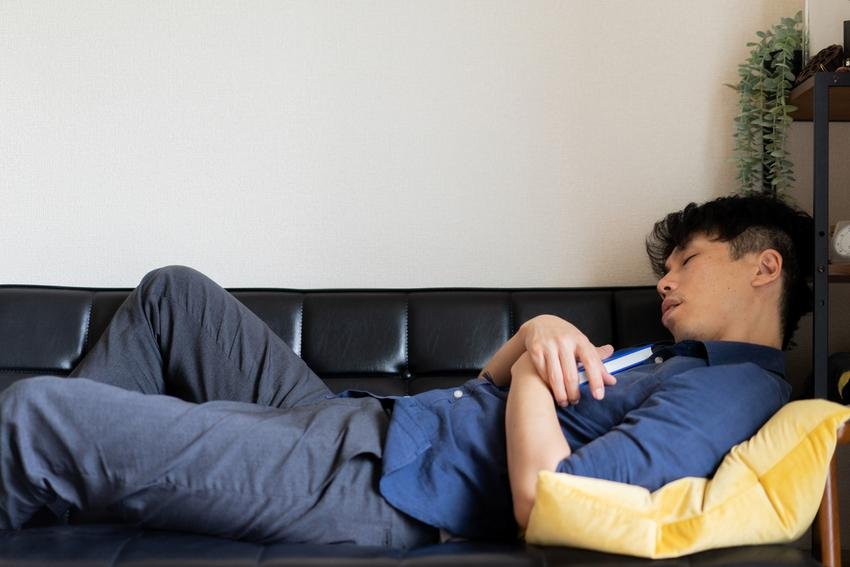
You will often see commuters dozing on trains or in meetings. This is called Inemuri (“sleeping while present”). While seen as a sign of hard work, doctors argue it is a poor substitute for actual REM sleep. It’s a “band-aid” for a deep-rooted exhaustion problem.
5. Digital & Smartphone Addiction
Japan has seen a massive rise in late-night smartphone usage. The World Economic Forum (2025/2026) highlighted that digital addiction is keeping Japanese youth and workers awake well past midnight, disrupting their natural circadian rhythms with blue light.
Japan’s Sleep vs. The World (2026 Statistics)
| Country | Average Sleep Duration | Sleep Quality Rating |
| Netherlands | 8h 12m | Excellent |
| New Zealand | 8h 04m | High |
| United Kingdom | 7h 55m | Good |
| USA | 7h 28m | Moderate |
| Japan | 7h 22m | Alarming (Lowest) |
What is the Government Doing?
As of March 2026, the Japanese Health Ministry has made two major moves:
- Specialized Clinics: Doctors are now officially allowed to list “Sleep Disorders” as a medical specialty on their signs, making it easier for people to find help.
- Insurance Coverage: For the first time, Cognitive Behavioral Therapy (CBT) apps for insomnia are being considered for public health insurance coverage, reducing the reliance on sleeping pills.
FAQ (Frequently Asked Questions)
1. Is “Karoshi” related to sleep?
Yes. Karoshi (Death by Overwork) is often preceded by chronic sleep deprivation, which leads to heart failure or stroke.
2. Why do Japanese people still live so long if they don’t sleep?
This is known as the “Japanese Sleep Paradox.” Despite low sleep, high-quality healthcare, a healthy diet (fish and fermented foods), and high walking rates contribute to their long lifespans. However, their “quality of life” and mental health scores remain low.
3. Do Japanese schools allow napping?
Some progressive schools have introduced 15-minute “power nap” sessions after lunch, but the majority of students still face heavy “cram school” schedules that keep them up late.
Official Disclaimer
Disclaimer: This report is based on 2026 OECD well-being monitors, Ministry of Health (Japan) reports, and recent studies from the University of Tsukuba. Sleep needs are individual; please consult a medical professional for personal health concerns.