


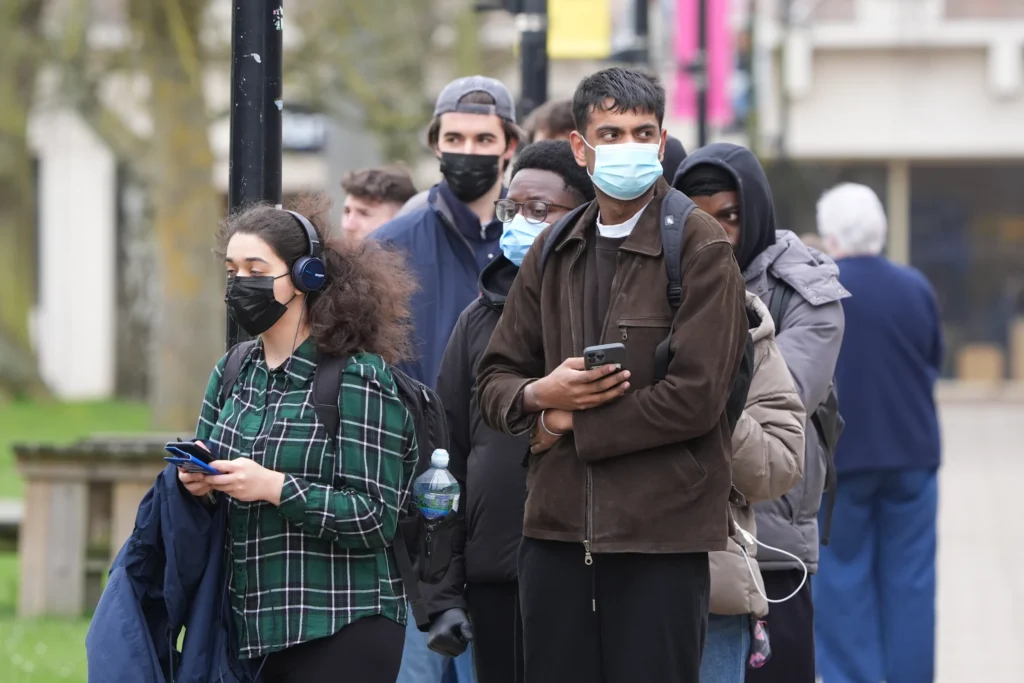
Students living in halls at the University of Kent are being offered meningitis B (MenB) vaccinations as part of an urgent public health response following a serious outbreak in Canterbury, UK. The move comes after multiple confirmed cases, hospitalisations, and tragic deaths linked to the disease, prompting authorities to take immediate preventive action.
Verified Situation: Why Vaccination Is Being Given
According to multiple verified reports, a meningitis outbreak in Kent (March 2026) has led to:
- 15 confirmed cases of invasive meningococcal disease
- 11 people hospitalised
- 2 deaths, including a university student
Health authorities, including the UK Health Security Agency (UKHSA), identified that some cases were linked to close-contact environments, particularly among students. As a result:
- Students in university halls (shared accommodation) are being prioritised for vaccination
- Emergency antibiotics have also been distributed to close contacts
- Exams and in-person activities were temporarily moved online to limit spread
The MenB vaccination campaign is targeted, meaning it is being given specifically to high-risk groups rather than the entire population.
What Is Meningitis B?
Meningitis B is a serious bacterial infection caused by Neisseria meningitidis. It can lead to:
- Meningitis (infection of brain and spinal cord lining)
- Septicemia (blood poisoning)
- Rapid deterioration and even death if untreated
Common symptoms include:
- High fever
- Severe headache
- Stiff neck
- Vomiting
- Sensitivity to light
- Skin rash
The disease spreads through close contact, such as:
- Coughing and sneezing
- Kissing
- Sharing drinks or utensils
Why Students in Halls Are at Higher Risk
University students—especially those living in halls—are considered a high-risk group for meningitis. This is because:
1. Close Living Conditions
Shared rooms, kitchens, and bathrooms increase the risk of bacterial transmission.
2. Social Lifestyle
Students frequently attend social events, parties, and gatherings where close contact is common.
3. Low Immunity Exposure
Many students may not have prior exposure or immunity to the bacteria.
4. Vaccination Gap
In the UK:
- MenB vaccine was introduced in 2015 for infants only
- Many current university students never received this vaccine
This creates a vulnerable population in universities.
Benefits of the MenB Vaccination
The decision to vaccinate students is based on strong medical and public health benefits:
1. Prevents Severe Disease
The MenB vaccine significantly reduces the risk of developing life-threatening meningitis and septicemia.
2. Reduces Spread
Vaccination helps limit transmission in high-density environments like hostels and dormitories.
3. Protects High-Risk Groups
Young adults (18–24) are among the most affected age groups in outbreaks.
4. Saves Lives
Meningitis B has a fatality rate of around 10%, but early prevention through vaccination drastically lowers this risk
5. Reduces Long-Term Complications
Even survivors may face:
- Hearing loss
- Brain damage
- Memory problems
- Limb amputations in severe cases
Vaccination helps prevent these life-altering outcomes.
Why a Targeted Vaccination Strategy Is Used
Instead of vaccinating everyone, authorities are focusing on:
- Students in university accommodation
- Individuals who had close contact with infected cases
- People present at high-risk locations (e.g., social venues)
This is because:
- The disease spreads through close and prolonged contact
- Targeting high-risk groups is faster and more effective in controlling outbreaks
- Vaccine supply and logistics require prioritisation
Additional Preventive Measures Taken
Apart from vaccination, several steps have been implemented:
- Mass antibiotic distribution to thousands of students
- Contact tracing of over 30,000 individuals
- Temporary closure of social venues linked to cases
- Online exams and reduced campus activity
These actions aim to break the chain of transmission quickly.
Public Health Importance
This situation highlights a broader concern:
- Many young adults remain unvaccinated against MenB
- Universities are high-risk environments globally
- There is increasing discussion about a wider catch-up vaccination program
Experts have also warned that outbreaks like this, though rare, can escalate rapidly if not controlled early.
Final Thoughts (Professional Perspective)
The decision to vaccinate students in halls at the University of Kent is a scientifically grounded and necessary public health intervention. Given the speed at which meningitis B can spread and the severity of its outcomes, targeted vaccination—combined with antibiotics and awareness—represents the most effective strategy to contain the outbreak.
This incident also underscores the importance of proactive immunisation policies, particularly for young adults entering communal living environments. As universities continue to bring together large populations in close quarters, preventive healthcare measures such as vaccination will remain critical in safeguarding student health and preventing future outbreaks.
Disclaimer
This article is based on verified news reports and publicly available information as of March 2026. Medical information is provided for general awareness only and should not replace professional healthcare advice. Individuals are advised to consult qualified medical professionals or local health authorities for personal medical guidance.