


A UK chocolate supplier whose products were sold in Tesco, Asda and Aldi has entered liquidation. Here’s what happened to Icon Foods and what it means for shoppers.
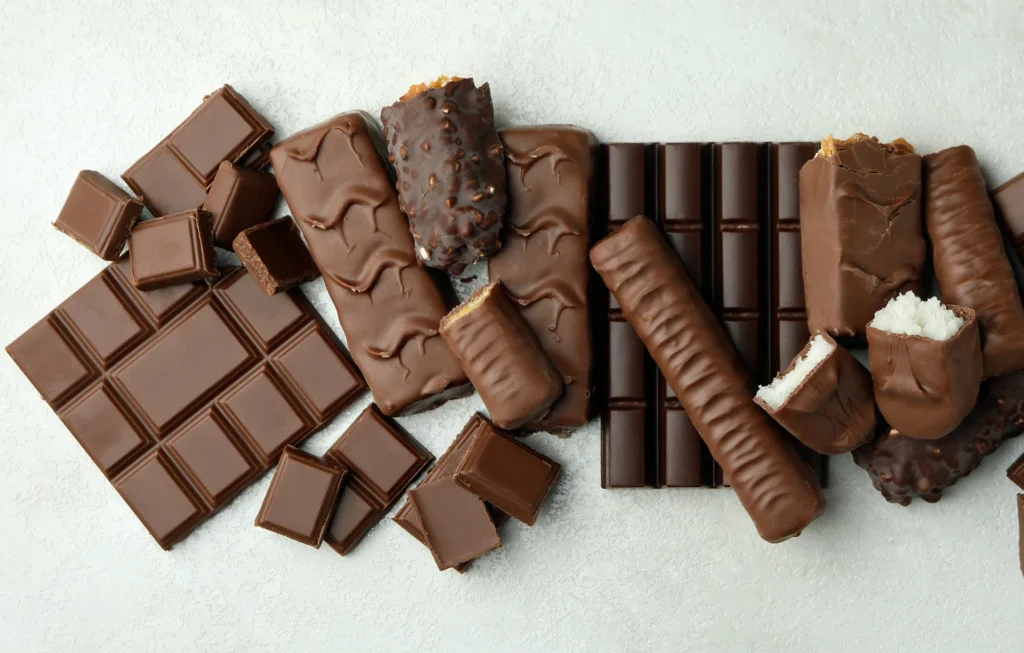
The company, Icon Foods Ltd, supplied chocolate products to a wide range of retailers across the country. However, after only a few years of operation under its latest brand structure, the business has now ceased trading and entered the liquidation process.
This article explains what happened to the company, why it collapsed, where its products were sold, and what liquidation means for customers and suppliers.
What Happened to Icon Foods?
Icon Foods Ltd, a confectionery supplier based in Woodford Green, Essex, entered Creditors’ Voluntary Liquidation (CVL) after directors determined that the company could no longer continue trading.
Key facts about the liquidation:
- Liquidators were appointed 2 March 2026
- Joint liquidators: Crowe UK LLP
- The decision followed a meeting with creditors
- Company assets will now be sold to repay debts
In a CVL process, company directors voluntarily close the business when it becomes financially unsustainable.
Where the Chocolate Products Were Sold
Before its collapse, Icon Foods had managed to place its chocolate products in several major UK retailers, including:
- Tesco
- Asda
- Aldi
- Iceland Foods
- WHSmith
- Home Bargains
- Co‑op
- Spar
The brand supplied chocolate bars, truffles and snack packs designed for supermarket shelves.
For a relatively young company, securing distribution across so many retailers was considered a major achievement.
Products the Company Produced
Icon Foods manufactured a variety of chocolate snacks, including:
- Milk chocolate orange bars
- Truffle chocolate bars
- Mixed chocolate packs
- Impulse chocolate bars for retail counters
The company focused on affordable chocolate treats for supermarket customers.
Some of the products were also marketed as:
- Using Fairtrade cocoa
- Containing natural ingredients
- Avoiding palm oil in some recipes
Company Background and History
Although Icon Foods operated under its current structure from 2022, the business had earlier roots.
Key timeline:
- 2010: Original confectionery brand “enjoy-i” launched
- 2022: Rebranded and expanded as Icon Foods
- 2022–2025: Products distributed across major UK retailers
- March 2026: Company entered liquidation
The rebrand aimed to expand the company’s confectionery offering and develop new chocolate products for supermarkets.
Why the Company Fell Into Liquidation
Several factors likely contributed to the company’s financial collapse.
1. Rising Cocoa Prices
Global cocoa prices have increased significantly in recent years due to climate issues affecting production in West Africa.
2. Higher Production Costs
Food manufacturers have faced rising costs for:
- Ingredients
- Energy
- Packaging
- Transport
3. Intense Competition
The UK chocolate market is dominated by large multinational brands, making it difficult for smaller suppliers to compete.
4. Retail Pressure
Supermarkets often demand low prices and high supply volumes, which can strain smaller manufacturers.
What Creditors’ Voluntary Liquidation Means
A Creditors’ Voluntary Liquidation (CVL) occurs when:
- Directors decide the company cannot continue trading
- Creditors agree to wind up the business
- Liquidators sell company assets to repay debts
After liquidation begins:
- The company stops trading
- Employees may lose jobs
- Assets are sold to repay creditors
Impact on UK Supermarkets
The collapse of Icon Foods does not mean supermarkets will stop selling chocolate.
Retailers such as Tesco, Asda and Morrisons typically work with many suppliers, so they can replace products quickly.
However, short-term effects may include:
- Temporary gaps in some chocolate product lines
- Replacement products from other suppliers
Challenges Facing the UK Chocolate Industry
The liquidation highlights broader pressures in the confectionery industry.
Major challenges include:
- Rising cocoa prices
- Supply chain disruptions
- Inflation affecting consumers
- Increasing production costs
These issues have affected both small manufacturers and large global brands.
20 Frequently Asked Questions (FAQ)
1. Which chocolate company went into liquidation in the UK?
Icon Foods Ltd.
2. When did Icon Foods enter liquidation?
March 2026.
3. Where was the company based?
Woodford Green, Essex.
4. Which supermarkets sold its products?
Tesco, Asda, Aldi, Iceland and others.
5. Are Icon Foods chocolates still available in stores?
Some remaining stock may still be sold until it runs out.
6. What products did the company make?
Chocolate bars, truffles and snack packs.
7. What is Creditors’ Voluntary Liquidation?
A process where a company closes because it cannot pay its debts.
8. Who are the liquidators?
Crowe UK LLP.
9. Did the company go bankrupt suddenly?
The liquidation followed financial difficulties.
10. When was Icon Foods founded?
In its current form, 2022.
11. What was the company’s previous brand?
Enjoy-i.
12. Why did the company collapse?
Rising costs, competition and financial pressure.
13. Will supermarkets stop selling chocolate?
No, they will replace the products with other brands.
14. How big was the company?
It was a smaller supplier compared to global chocolate brands.
15. Did the company use Fairtrade cocoa?
Some products used Fairtrade ingredients.
16. Will employees lose their jobs?
Liquidation can lead to job losses.
17. What happens to company assets?
They are sold to repay creditors.
18. Can the brand return in the future?
Sometimes brands are revived if assets are purchased.
19. Is the UK chocolate industry struggling?
Many companies face rising costs and supply chain challenges.
20. Are other food companies also closing?
Yes, several retailers and suppliers have faced financial pressure in 2026.
Final Thoughts
The liquidation of Icon Foods highlights the growing pressure on smaller food manufacturers in the UK. Despite achieving distribution in major supermarkets such as Tesco, Asda and Aldi, the company could not sustain operations amid rising costs and intense competition.
While shoppers may still find remaining stock in stores, the company’s closure serves as a reminder that the UK retail and food manufacturing sectors continue to face significant economic challenges.
Disclaimer
This article is based on publicly available reports, company filings and media coverage regarding the liquidation of Icon Foods Ltd. Information may change as the liquidation process continues or if new developments emerge.