



The healthcare system in the United Kingdom is facing one of the biggest challenges in its modern history. Millions of patients are currently waiting for treatment within the National Health Service, creating pressure on hospitals, medical staff and government resources.
Patients across the UK often experience long delays when trying to book GP appointments, schedule surgeries or even contact hospital call centres. In some cases, patients wait months for routine procedures such as hip replacements, cataract surgeries or diagnostic scans.
Experts believe the current healthcare crisis has developed due to several factors:
- rising population
- ageing demographics
- shortage of doctors and nurses
- increasing healthcare demand after the pandemic
- limited hospital capacity
As the government searches for solutions, some analysts believe that a combination of additional healthcare funding, private sector cooperation and workforce expansion could help reduce waiting lists significantly.
A Proposed Idea: £15 Monthly Healthcare Contribution
One possible reform could involve introducing a mandatory healthcare support contribution of £15 per month.
This contribution would not replace the existing NHS funding system. Instead, it would create a dedicated healthcare expansion fund designed specifically to reduce waiting lists and increase treatment capacity.
The contribution system could work in the following way:
- working citizens contribute £15 per month through payroll deductions
- pensioners contribute a smaller controlled amount
- low-income households may receive exemptions
This system ensures that the financial burden remains minimal for individuals while still generating substantial national healthcare funding.
Example: How the System Works for John
To understand the potential impact, imagine a typical UK citizen named John.
John works full-time and contributes £15 per month toward the healthcare expansion fund.
Although the amount seems small individually, the benefits for John could be significant.
Benefits John Could Receive
| Benefit | Explanation |
|---|---|
| Faster surgery access | Reduced waiting time for operations |
| Quick diagnostic tests | Faster MRI scans and medical examinations |
| Improved GP appointment system | Digital booking reduces delays |
| Better hospital capacity | More doctors and hospital partnerships |
For citizens like John, contributing £15 per month may help ensure faster access to healthcare services while keeping the NHS affordable.
How the Government Benefits
When millions of people contribute a small monthly amount, the national healthcare fund could grow quickly.
Estimated Healthcare Expansion Fund
| Category | Estimate |
|---|---|
| Monthly contribution per person | £15 |
| Estimated contributors | 35 million |
| Monthly national healthcare fund | £525 million |
| Annual healthcare fund | £6.3 billion |
This funding could allow the government to:
- increase the number of surgeries performed
- hire additional healthcare workers
- invest in digital healthcare technology
- subcontract procedures to private hospitals
Rather than raising taxes broadly, this approach creates a targeted investment in healthcare efficiency.
Using Private Hospitals to Reduce Waiting Lists

4
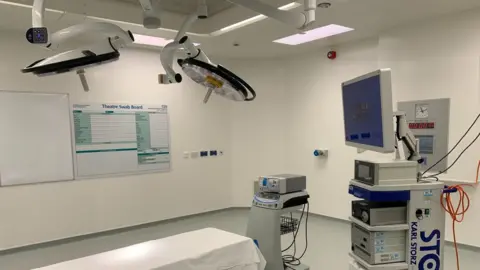
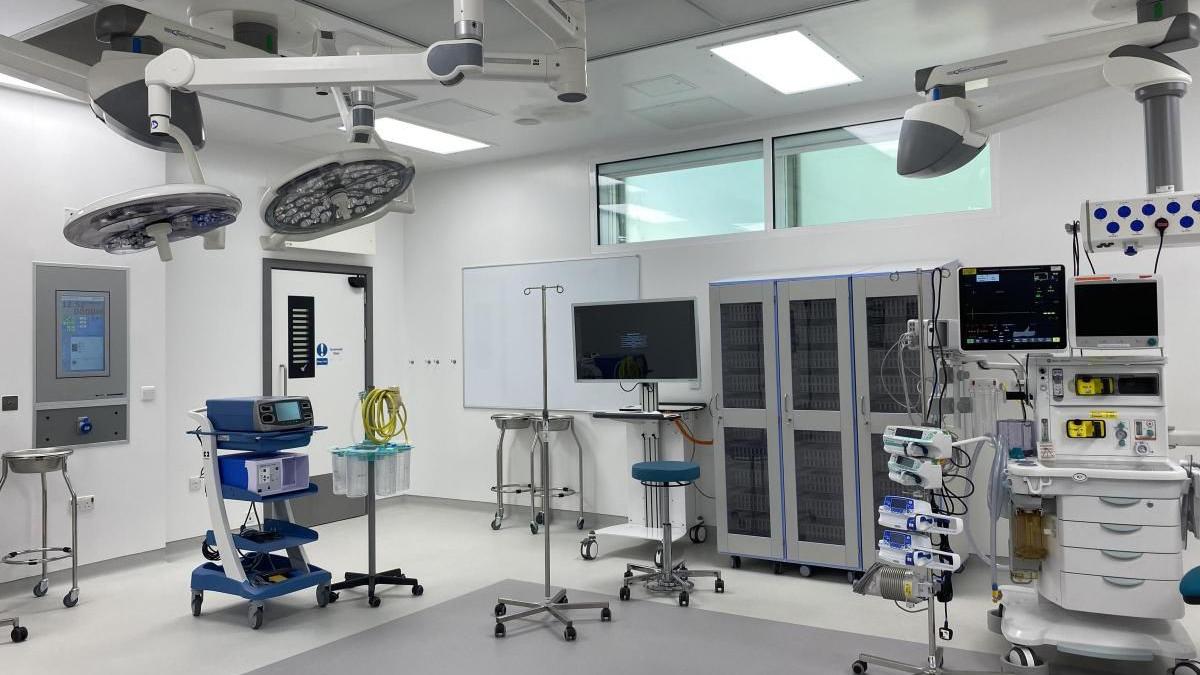
The UK already has a large private healthcare sector capable of supporting NHS services.
Across the country there are more than 650 private hospitals and specialist clinics, many equipped with modern surgical facilities.
Instead of building new hospitals immediately, the government could expand partnerships with private healthcare providers.
How the Partnership Could Work
- NHS identifies patients waiting for treatment.
- Government allocates funding from the healthcare expansion fund.
- Private hospitals receive contracts to perform procedures.
- Patients receive treatment faster without paying privately.
This model allows the NHS to increase treatment capacity quickly without major infrastructure delays.
Solving Another Major Problem: NHS Call Centre Waiting Times
Many patients complain about the long waiting times when calling NHS clinics or hospitals to book appointments.
In some cases patients must wait 20–40 minutes just to speak with a receptionist.
This problem can create frustration and waste valuable time for both patients and healthcare workers.
Digital Appointment Slot System
A simple technological solution could be introducing a national NHS digital booking platform.
Instead of calling hospitals, patients could:
- log into an NHS portal
- view available appointment slots
- book GP consultations instantly
- receive digital confirmation
Benefits of Digital Booking
| Benefit | Explanation |
|---|---|
| Less call-centre pressure | Fewer people calling hospitals |
| Faster appointment booking | Instant online scheduling |
| Better hospital planning | Efficient use of available slots |
| Improved patient experience | Reduced frustration and waiting |
Many modern industries such as airlines and banking already use similar digital systems successfully.
Encouraging More UK Citizens to Become Doctors
Another important long-term solution involves expanding the domestic healthcare workforce.
The UK government could encourage more citizens to enter the medical profession through:
- medical scholarships
- higher starting salaries for nurses
- expanded medical school capacity
- student loan support for healthcare careers
Building a stronger domestic workforce helps ensure the NHS remains sustainable in the long term.
International Doctors: Strict Immigration and Recruitment Rules



In addition to training domestic doctors, the UK may need to recruit some international healthcare professionals to address short-term staff shortages.
However, international recruitment should follow strict professional and immigration rules to maintain healthcare standards and protect opportunities for UK citizens.
Possible Requirements for International Doctors
| Requirement | Explanation |
|---|---|
| Medical qualification verification | Degrees checked by UK medical authorities |
| Professional licensing | Passing recognised UK medical exams |
| English language testing | High-level communication skills required |
| Mandatory NHS training | Supervised adaptation to NHS systems |
| Background and ethics checks | Professional and legal verification |
These strict requirements ensure that international doctors meet the same high standards expected within the NHS.
Healthcare Expansion Can Reduce Unemployment



Healthcare investment can also create significant employment opportunities.
Expanding hospital capacity and medical services requires workers across multiple sectors.
Jobs That Could Be Created
| Sector | Example Jobs |
|---|---|
| Medical workforce | Doctors, nurses, surgeons |
| Healthcare support | Technicians and assistants |
| Administration | Hospital operations staff |
| Construction | Building clinics and hospitals |
| Technology | Healthcare IT specialists |
This investment could strengthen both public health and the national economy.
Implementation Roadmap
If introduced starting mid-2026, reforms could follow a structured timeline.
| Phase | Action | Timeline |
|---|---|---|
| Phase 1 | Introduce healthcare contribution fund | Mid-2026 |
| Phase 2 | Expand private hospital partnerships | 2026–2027 |
| Phase 3 | Launch digital appointment system | 2027 |
| Phase 4 | Reduce NHS waiting list backlog | 2027–2028 |
Because private hospitals already exist, treatment capacity could increase relatively quickly.
Final Thoughts
The NHS remains one of the most respected healthcare systems in the world. However, rising demand and long waiting lists show that innovative solutions are needed.
A combination of additional healthcare funding, private hospital partnerships, digital healthcare systems and strict workforce expansion policies could help the UK address its healthcare challenges.
While no single reform can solve the NHS crisis overnight, a coordinated strategy could significantly improve healthcare access and reduce waiting times for millions of patients across the country.
Disclaimer
This article presents analysis and discussion about potential healthcare policy ideas. It does not represent official policy from the UK government or the NHS. All financial estimates and timelines are illustrative examples used for discussion purposes.