


Introduction
Water companies in the United Kingdom are facing increasing scrutiny after reports revealed that bailiffs are being used more than 6,000 times every year to collect unpaid customer debts. The practice has sparked concerns among consumer groups, charities, and politicians who argue that enforcement action can place additional stress on households already struggling with rising living costs.
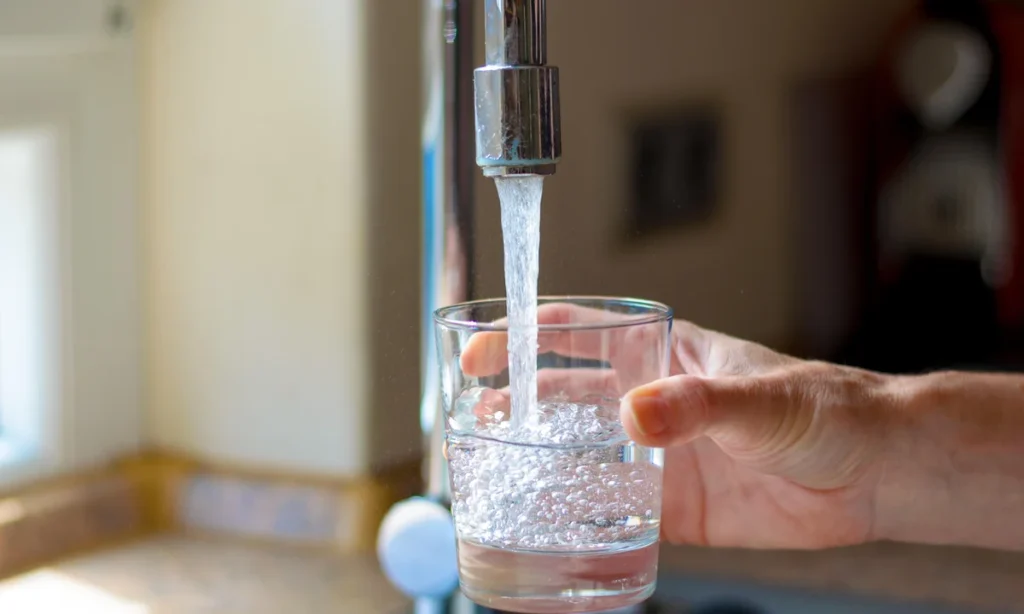
Water bills are an essential part of household expenses in the UK, covering services such as clean water supply, wastewater treatment, and sewage management. While most customers pay their bills on time, some households fall behind due to financial difficulties. When debts remain unpaid for long periods, water companies may turn to legal enforcement methods—including the use of bailiffs—to recover the money owed.
This growing trend has raised important questions about consumer protection, debt collection practices, and the financial pressures facing UK households today.
Why Water Companies Use Bailiffs
Water companies generally prefer to resolve unpaid bills through reminders and payment arrangements. However, if customers ignore repeated notices and fail to respond to payment offers, the company may escalate the case.
The usual debt recovery process includes:
- Initial water bill issued
- Reminder notices sent to the customer
- Payment plan or financial support offered
- Debt referred to collection agencies
- Court order obtained for enforcement
- Bailiffs instructed to recover the debt
Bailiffs, also known as enforcement agents, are legally permitted to visit properties after a court judgment has been issued against a debtor.
Their role is to collect the outstanding money or, in some cases, seize goods that can be sold to repay the debt.
More Than 6,000 Bailiff Actions Each Year
Recent investigations suggest that water companies collectively use bailiffs over 6,000 times annually to pursue unpaid household bills.
While this number may seem small compared to the millions of water customers across the UK, consumer advocates warn that the impact on affected households can be severe.
Bailiff enforcement often involves:
- Additional legal fees
- Enforcement charges
- Stressful home visits
- Increased financial pressure on families
Because bailiff fees can be added to the original debt, customers may end up paying significantly more than the original water bill.
Rising Household Debt and the Cost-of-Living Crisis
The use of bailiffs by water companies comes at a time when many UK households are dealing with financial difficulties.
Over the past few years, families have experienced rising costs for:
- Energy and heating
- Rent and mortgage payments
- Food and groceries
- Transportation
- Other utility bills
As a result, some households have struggled to keep up with water payments.
Consumer groups argue that aggressive debt recovery practices can worsen the situation for people who are already financially vulnerable.
Testimonial: A Customer’s Experience
Some customers who have faced enforcement action say the experience can be extremely stressful.
Sarah Thompson, a mother of two from Manchester, shared her experience after falling behind on water bills during a difficult financial period.
“I lost my job during the pandemic and things became really difficult. I tried to keep up with all the bills, but eventually the water payments fell behind. One morning a bailiff came to my door and it was terrifying. I wish the company had offered more support before it reached that stage.”
Her case highlights the emotional impact that debt enforcement can have on families struggling to manage their finances.
Water Companies’ Response
Water companies maintain that bailiffs are used only as a last resort after all other attempts to resolve the issue have failed.
Many providers say they offer various support schemes to help customers who cannot afford their bills.
These programs may include:
- Flexible repayment plans
- Reduced payment schemes for low-income households
- Temporary payment breaks
- Social tariffs that lower water bills
Water companies also encourage customers to contact them early if they experience financial hardship.
What the Law Says About Water Debt
Unlike some other utility services, water supply cannot legally be disconnected in the UK for unpaid household bills. Water is considered an essential service for health and hygiene.
However, companies still have the legal right to recover unpaid bills through the court system.
This means they may:
- Apply for a County Court Judgment (CCJ)
- Use enforcement agents to collect debts
- Add legal and enforcement charges to the balance
Because of this, ignoring unpaid bills can eventually lead to more serious financial consequences.
What Customers Should Do If They Cannot Pay
Experts recommend that customers take action as soon as they realise they may struggle to pay their water bill.
Here are some important steps:
Contact Your Water Company Early
Most companies prefer to set up a payment plan rather than pursue enforcement action.
Ask About Social Tariffs
Many water companies provide reduced bills for low-income households.
Seek Independent Advice
Debt advice organisations such as Citizens Advice or StepChange can provide free support.
Do Not Ignore Letters
Ignoring reminder notices or court documents can lead to bailiff enforcement.
Taking early action can often prevent the situation from escalating.
Calls for Reform and Better Protection
The growing use of bailiffs by water companies has led to calls for stronger consumer protections.
Campaign groups are asking regulators and government officials to consider measures such as:
- Limiting the use of bailiffs for essential services
- Expanding financial assistance programs
- Improving communication between water companies and customers
- Increasing transparency in debt collection practices
Regulators continue to review how companies handle customer debt and whether additional safeguards are needed.
Frequently Asked Questions (FAQ)
1. Can water companies send bailiffs in the UK?
Yes. If a customer fails to pay their water bill and a court judgment is issued, enforcement agents can be used to collect the debt.
2. How often do water companies use bailiffs?
Reports suggest that water companies use bailiffs more than 6,000 times per year.
3. Can water companies disconnect water for unpaid bills?
No. In the UK, water supply to households cannot be disconnected for non-payment.
4. Do bailiffs add extra fees?
Yes. Bailiffs may add enforcement charges, which increase the total amount owed.
5. What should I do if I cannot pay my water bill?
Contact your water company immediately and ask about repayment plans or financial assistance programs.
6. Are there support programs for low-income households?
Yes. Many water providers offer social tariffs and payment assistance schemes.
Final Thoughts
The revelation that water companies use bailiffs more than 6,000 times each year to recover unpaid customer debts has sparked a wider debate about fairness and consumer protection.
While companies argue that enforcement is necessary to recover unpaid bills and maintain essential infrastructure, critics say the approach can add pressure on vulnerable households already struggling with financial challenges.
For customers, the most important step is to communicate with water providers early and seek support if financial problems arise. With proper communication and assistance programs, many debt situations can be resolved without the need for enforcement action.
Message from BollywoodView.in Team:
Access to clean water is essential for every household. We hope that water companies and regulators continue working together to find fair solutions that protect both consumers and essential services.
Pingback: DWP £900 Cost of Living Payment March 2026: Eligibility, Payment Dates and Latest UK Update