


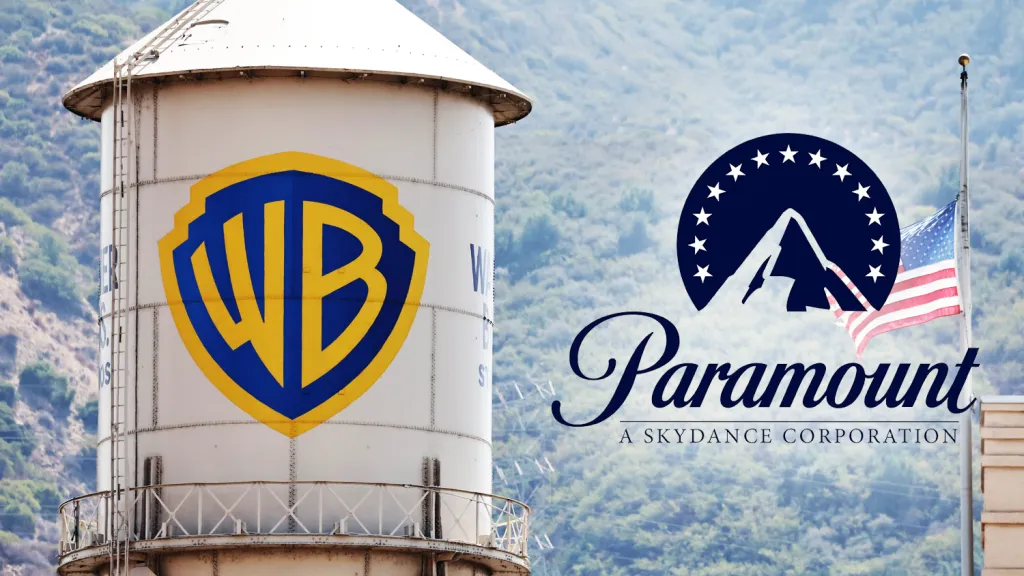
The landscape of global entertainment has shifted. On February 27, 2026, Paramount Skydance emerged victorious in the high-stakes bidding war for Warner Bros. Discovery, beating out streaming giant Netflix. For UK cinema operators, from major chains like Vue and Cineworld to independent picture houses, this news was met with a sigh of relief—tempered by cautious demands for the future.
The “Theatrical Victory”: Why Cinemas Backed Paramount Over Netflix
The UK Cinema Association (UKCA) and top executives like Tim Richards (CEO of Vue) have expressed a “wary approval” of the Paramount deal. The primary reason? Theatrical Exclusivity.
Throughout the bidding process, Netflix was viewed as a “threat” to the traditional cinema model. While Netflix offered a 45-day window, exhibitors feared the streamer would eventually “collapse the window” or move high-profile titles like The Matrix or Harry Potter directly to streaming.
Key Commitments from Paramount Skydance:
- 30+ Theatrical Releases Annually: Paramount CEO David Ellison pledged that the combined entity would release at least 30 movies per year in theaters.
- 45-Day Minimum Global Window: Every film will have a minimum 45-day exclusive run in cinemas before hitting VOD or Paramount+.
- The “Narnia” Factor: UK cinema owners specifically hope this deal ensures massive projects, such as Greta Gerwig’s Chronicles of Narnia, receive the full big-screen treatment they deserve.
The Risks: Consolidation and “The Disney Lesson”
Despite the approval, Phil Clapp, Chief Executive of the UK Cinema Association, issued a stern warning. He pointed to the 2019 Disney-Fox merger as a cautionary tale.
After Disney acquired Fox, the number of films released by the combined studio dropped by nearly 40%. UK cinemas are concerned that while Paramount promises a “bumper slate,” the reality of corporate “synergies” (aiming for $6 billion in savings) might lead to fewer mid-budget films and job losses within the UK’s creative sector.
UK Regulatory Hurdle: The CMA Review
The deal now moves to the Competition and Markets Authority (CMA). The CMA is expected to conduct a rigorous Phase 1 investigation to ensure:
- Plurality of Voices: That the merger doesn’t result in a homogenization of content.
- Bargaining Power: That the new “Paramount-Warner” behemoth doesn’t unfairly dictate terms to smaller independent cinemas.
Impact on the Audience: India, USA, UK, and Australia
This merger creates a library of over 15,000 titles. For fans in the UK and worldwide, here is what to expect:
- United States: A potential merger of Max and Paramount+ into a single “super-streamer” to challenge Netflix and Disney+.
- India: Paramount’s deep ties (and potential backing from major global funds) could lead to a massive push for localized content to compete with the Jio-Disney juggernaut.
- Australia: Enhanced distribution for tentpole franchises like Mission: Impossible and DC Universe through regional partnerships.
Frequently Asked Questions (FAQ)
Q: Has the UK government officially approved the Paramount-Warner deal?
A: Not yet. The UK Cinema Association has given its “theatrical approval,” but the Competition and Markets Authority (CMA) must still conduct an antitrust review. This process is expected to take 6–12 months.
Q: Will ticket prices go up?
A: While the merger itself doesn’t directly raise ticket prices, the increased bargaining power of a combined Paramount-Warner studio could lead to higher film rental fees for cinemas, which could eventually be passed on to consumers.
Q: What happens to HBO Max and Paramount+?
A: Executives have hinted at a “single technology stack.” By late 2026, subscribers may see a combined platform housing everything from Game of Thrones to Star Trek.
Q: Why did Netflix lose the bid?
A: Paramount offered a superior all-cash bid of $31 per share ($110 billion total). Netflix declined to match this offer, leading to a signed agreement between Paramount and WBD on February 27, 2026.
Q: When will the merger be finalized?
A: The deal is expected to close in the third quarter of 2026, subject to shareholder votes and regulatory clearances in the US, EU, and UK.
Disclaimer
This article provides information based on the current landscape of the Paramount-Warner Bros. Discovery merger as of March 1, 2026. Regulatory outcomes, final slate numbers, and corporate strategies are subject to change based on the decisions of the CMA, the US Department of Justice, and other global authorities
Summary Table: Paramount-Warner Bros. Discovery Deal (2026)
| Feature | Details |
| Transaction Value | $110 Billion (Enterprise Value) |
| Price Per Share | $31.00 (Cash) |
| Expected Close | Q3 2026 (Sept–Dec) |
| Key Franchises | Harry Potter, DC, Mission: Impossible, Game of Thrones |
| Pledged Movie Slate | 30+ Films per year |
| Regulatory Hurdles | UK CMA, US Dept. of Justice, EU Commission |
Pingback: Mark Ronson Wins Big at 2026 BRIT Awards — Full Verified Analysis