

T20 World Cup Super 8 | R. Premadasa Stadium, Colombo
4
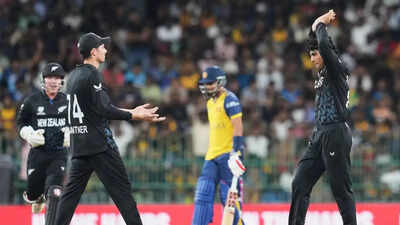
The Super 8 encounter between the Sri Lanka national cricket team and the New Zealand national cricket team was expected to be tightly contested. Instead, it turned into a commanding all-round performance by New Zealand, who controlled the game from the middle overs onward and secured a 61-run victory.
1️⃣ Toss & Pitch Report
Colombo’s surface offered grip and slight assistance for spinners. It was not a flat batting paradise. The pitch required patience, smart strike rotation, and controlled aggression rather than blind power hitting.
New Zealand adapted quicker to these conditions — and that proved to be the biggest difference.
2️⃣ New Zealand Batting Analysis (168/7)
Powerplay (Overs 1–6)
New Zealand started cautiously. Sri Lanka’s new-ball attack kept things tight, preventing early boundaries. However, the Black Caps ensured they did not lose too many wickets — a crucial factor in T20 cricket.
Middle Overs (7–15) – The Foundation Phase
This was where the match slowly shifted. Instead of attacking recklessly, New Zealand rotated strike brilliantly. Singles and twos kept the scoreboard moving, preventing scoreboard pressure.
The innings gained stability through partnerships. The Sri Lankan spinners created chances but couldn’t completely break momentum.
Death Overs (16–20) – Acceleration
The final five overs were decisive. Timely boundaries and calculated risk-taking pushed the total beyond 160 — which, on that pitch, was above par.
The composure shown in these overs made the difference between a defendable total and a winning total.
3️⃣ Sri Lanka Bowling Review
Sri Lanka had moments of control, particularly through spin. They managed breakthroughs at key intervals, but they failed to completely choke the scoring.
Their biggest issue was allowing New Zealand to rotate strike too easily. In T20 cricket, dot balls build pressure — and Sri Lanka didn’t produce enough of them during the middle phase.
4️⃣ Sri Lanka Chase Analysis (107/8)
Powerplay Collapse
Chasing 169 required a strong start. Instead, Sri Lanka lost early wickets. The pressure of a rising required run rate began immediately.
Instead of building a partnership, wickets fell at regular intervals. That prevented any batter from settling in.
Middle Overs – Match Deciding Phase
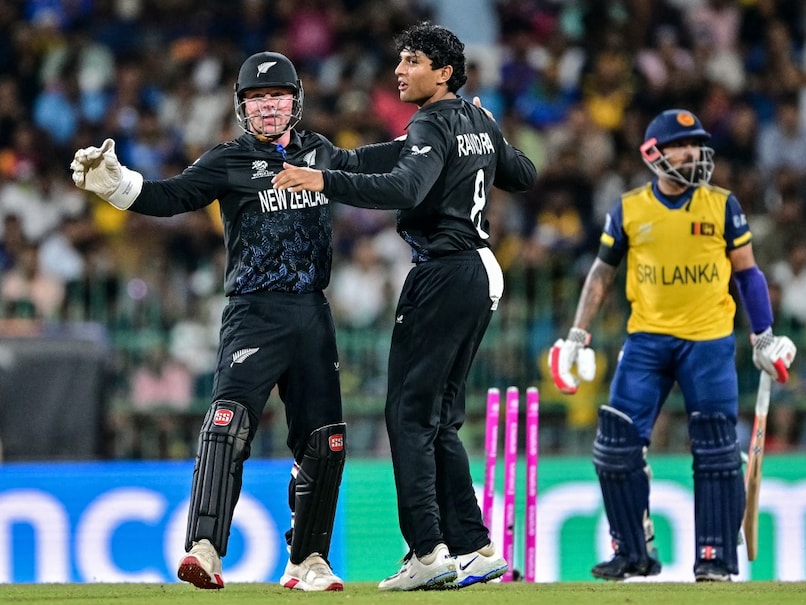
This is where Rachin Ravindra completely turned the game. His spell dismantled Sri Lanka’s middle order. With every wicket, the required rate climbed higher, and the chase slipped away.
Sri Lanka struggled to handle variations in pace and disciplined lines. Shot selection became risky, and scoreboard pressure led to mistakes.
Death Overs – Too Much to Do
By the time the final overs arrived, the match was already out of reach. New Zealand maintained tight fielding standards and smart bowling plans, ensuring there was no late comeback.
5️⃣ Tactical Breakdown
✔ Adaptability
New Zealand read the pitch conditions earlier and adjusted their strategy accordingly.
✔ All-Round Contribution
The Black Caps didn’t rely on one superstar innings. Instead, contributions came from multiple players.
✔ Bowling Discipline
Their bowlers stuck to plans — wide yorkers, slower balls, and tight lines outside off stump.
✔ Fielding Edge
Sharp fielding added extra pressure, saving crucial runs and creating chances.
6️⃣ Player of the Match Impact
Rachin Ravindra’s performance was the defining factor. His calm batting contribution helped stabilize the innings, but it was his bowling spell that crushed Sri Lanka’s hopes.
In high-pressure Super 8 matches, impact players win games — and Ravindra delivered exactly that.
7️⃣ What This Means for Super 8
- New Zealand strengthen their semifinal push.
- Net run rate receives a major boost.
- Sri Lanka now face a must-win situation in upcoming fixtures.
Momentum in ICC tournaments is everything — and New Zealand now have it firmly on their side.
Frequently Asked Questions (F&Q)
Q1: Who won the match?
New Zealand won by 61 runs.
Q2: What was the turning point?
Rachin Ravindra’s middle-over spell that broke Sri Lanka’s chase.
Q3: Was 168 a defendable score?
Yes. On that surface, anything above 160 was competitive.
Q4: Why did Sri Lanka struggle?
Early wickets and lack of partnerships during the chase.
Q5: Who was Player of the Match?
Rachin Ravindra for his all-round performance.
Final Verdict
This was not just a win — it was a statement. New Zealand showed composure, tactical intelligence, and execution under pressure. Sri Lanka, meanwhile, will need to regroup quickly if they want to stay alive in the Super 8 race.